












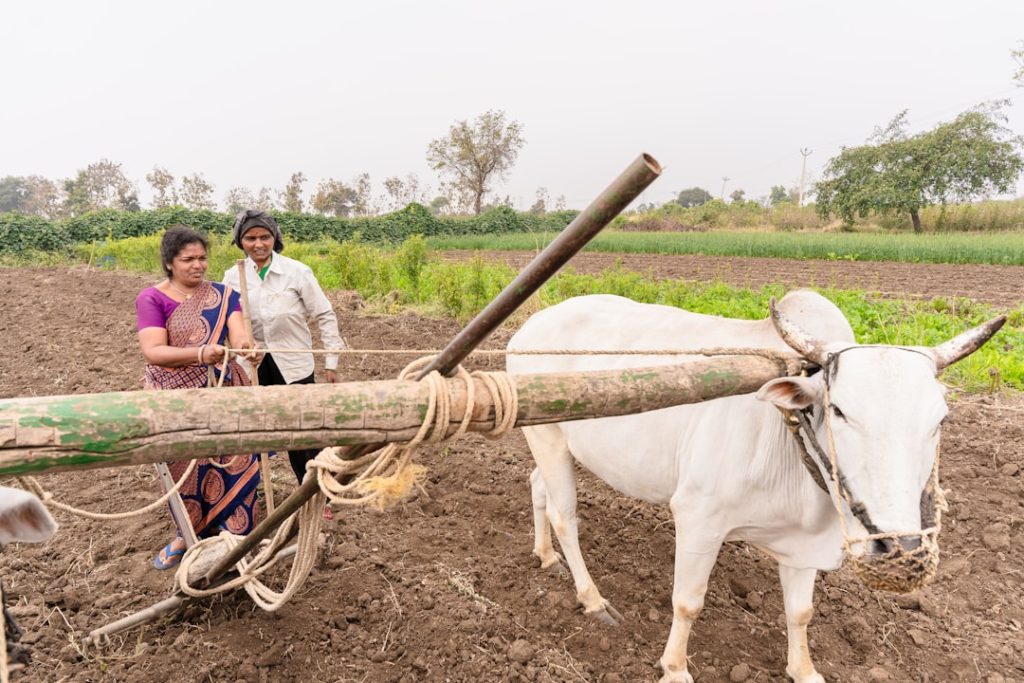
Livestock agent law enforcement in Montana is a critical component of the state’s agricultural sector, focusing on protecting livestock, ensuring industry integrity, and enforcing relevant laws and regulations. These agents are tasked with preventing livestock theft, fraud, and animal mistreatment while also overseeing compliance with transportation and welfare regulations. Their work is essential for safeguarding the economic interests of ranchers and farmers, as well as the well-being of the animals under their care.
The profession demands a comprehensive understanding of the livestock industry, coupled with strong investigative and enforcement capabilities. Livestock agents must be well-versed in state and federal laws pertaining to the industry and must effectively collaborate with various stakeholders, including other law enforcement agencies, ranchers, and farmers. This article will delve into the various aspects of livestock agent law enforcement in Montana, including:
1.
The specific responsibilities of livestock agents
2. Relevant laws and regulations governing their activities
3. Enforcement procedures and penalties for violations
4.
Collaboration with other law enforcement agencies
5. Training requirements and qualifications for livestock agents
6. Challenges faced by the profession
7.
Future outlook for livestock agent law enforcement in Montana
By examining these topics, we aim to provide a comprehensive overview of the crucial role played by livestock agents in maintaining the integrity and sustainability of Montana’s livestock industry.
Key Takeaways
- Livestock agents in Montana play a crucial role in enforcing laws related to livestock and agriculture.
- Responsibilities of livestock agents in Montana include investigating livestock theft, inspecting livestock markets, and ensuring compliance with animal health regulations.
- Laws and regulations governing livestock agent activities in Montana cover areas such as brand inspection, animal health, and transportation of livestock.
- Violations of livestock agent laws in Montana can result in penalties such as fines, imprisonment, and revocation of licenses.
- Collaboration with other law enforcement agencies is essential for livestock agents to effectively carry out their duties, especially in cases of livestock theft and animal health emergencies.
Responsibilities of Livestock Agents in Montana
Investigating Livestock Theft and Ensuring Compliance with Transportation Regulations
One of the primary responsibilities of livestock agents is to investigate cases of livestock theft and work to recover stolen animals. This involves collaborating with ranchers and farmers to gather information and evidence, as well as working with other law enforcement agencies to track down and apprehend perpetrators. Additionally, they ensure compliance with transportation regulations for livestock, inspecting vehicles, verifying safe and humane transportation, and enforcing regulations related to animal documentation and identification.
Enforcing Animal Welfare Laws and Preventing Fraud
Livestock agents are also responsible for enforcing animal welfare laws and regulations, investigating cases of animal cruelty or neglect, and ensuring humane treatment of animals throughout the production process. Furthermore, they work to prevent fraud and ensure the integrity of livestock sales and transactions, verifying animal ownership and provenance, investigating fraudulent sales, and ensuring fair and legal transactions.
Key Role in Maintaining Industry Integrity
Overall, the responsibilities of livestock agents in Montana are diverse and demanding, requiring a broad range of skills and knowledge related to the livestock industry and law enforcement. By fulfilling their duties, they play a key role in maintaining the integrity of the livestock industry, protecting the welfare of animals, and ensuring fair and legal transactions.
Laws and Regulations Governing Livestock Agent Activities
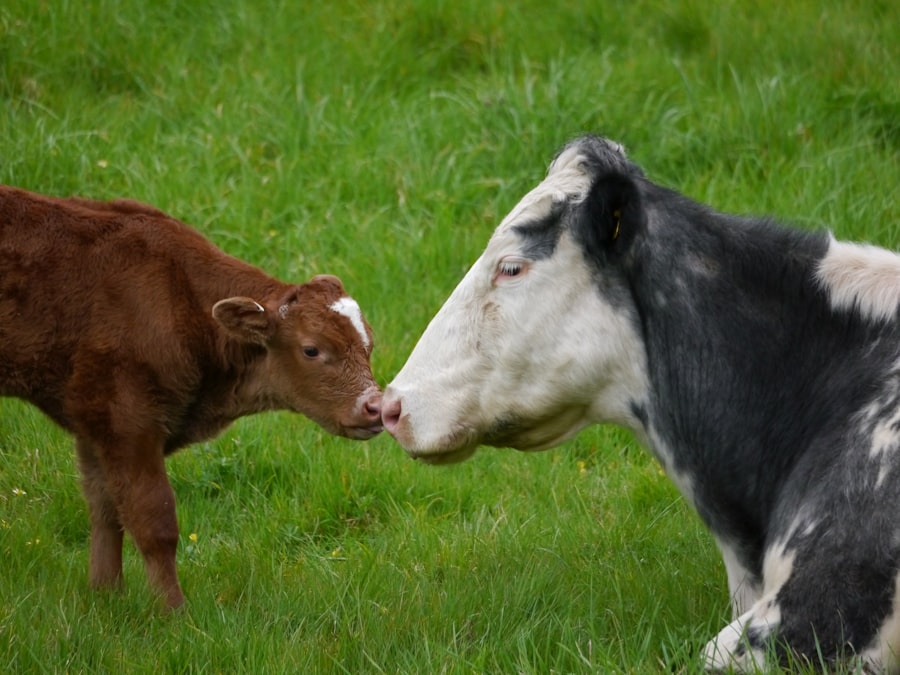
The activities of livestock agents in Montana are governed by a complex set of laws and regulations designed to ensure the welfare of animals, protect against theft and fraud, and maintain the integrity of the livestock industry. At the state level, Montana has specific laws related to livestock theft, transportation regulations for animals, animal welfare standards, and regulations governing the sale and transfer of livestock. These laws outline the responsibilities of livestock agents and provide them with the legal authority to enforce these regulations.
In addition to state laws, livestock agents must also be familiar with federal regulations related to animal welfare, transportation of animals across state lines, and other aspects of the livestock industry that fall under federal jurisdiction. One important law that governs the activities of livestock agents in Montana is the Livestock Theft Act, which outlines the penalties for stealing or unlawfully possessing livestock. This law provides livestock agents with the legal authority to investigate cases of theft and work to recover stolen animals.
In addition to theft laws, Montana also has specific regulations related to the transportation of livestock, including requirements for proper documentation, identification, and humane treatment during transport. These regulations are designed to ensure that animals are transported safely and humanely, and they provide livestock agents with the legal authority to enforce these standards. Overall, the laws and regulations governing livestock agent activities in Montana are comprehensive and designed to protect the welfare of animals, prevent theft and fraud, and maintain the integrity of the livestock industry.
Enforcement and Penalties for Violations
| Country | Enforcement Agency | Penalties for Violations |
|---|---|---|
| United States | Environmental Protection Agency (EPA) | Fines, imprisonment, and civil penalties |
| United Kingdom | Environment Agency | Monetary penalties, prosecution, and enforcement notices |
| Canada | Environment and Climate Change Canada | Administrative monetary penalties and prosecution |
Enforcement of laws and regulations related to the livestock industry is a critical aspect of the work of livestock agents in Montana. When violations occur, livestock agents have the authority to take enforcement actions to address these violations and ensure compliance with the law. This may include issuing citations or fines for non-compliance with transportation regulations, investigating cases of animal cruelty or neglect, or pursuing criminal charges in cases of livestock theft or fraud.
Livestock agents work closely with prosecutors and other law enforcement agencies to build cases against violators and ensure that they are held accountable for their actions. The penalties for violations of laws and regulations related to the livestock industry can be severe, particularly in cases involving theft or mistreatment of animals. Individuals found guilty of stealing or unlawfully possessing livestock can face significant fines, imprisonment, or both.
In cases involving animal cruelty or neglect, individuals may also face criminal charges and penalties under state animal welfare laws. In addition to criminal penalties, individuals found guilty of violating transportation regulations or engaging in fraudulent sales of livestock may also face civil penalties or fines. Overall, enforcement actions taken by livestock agents in Montana are essential for maintaining the integrity of the livestock industry and ensuring that all stakeholders comply with laws and regulations designed to protect animals and prevent fraud.
Collaboration with Other Law Enforcement Agencies
Collaboration with other law enforcement agencies is an essential aspect of the work of livestock agents in Montana. Livestock agents often work closely with local sheriff’s offices, state police departments, and federal law enforcement agencies to investigate cases of livestock theft, enforce transportation regulations, and address other violations related to the livestock industry. This collaboration allows livestock agents to leverage additional resources and expertise from other agencies, as well as access to specialized tools and technology that can aid in their investigations.
In addition to working with other law enforcement agencies, livestock agents also collaborate with prosecutors, judges, and other members of the legal system to build cases against violators and ensure that they are held accountable for their actions. This collaboration is essential for ensuring that individuals found guilty of violating laws and regulations related to the livestock industry face appropriate penalties and consequences for their actions. Overall, collaboration with other law enforcement agencies is a critical aspect of the work of livestock agents in Montana, allowing them to effectively investigate cases, enforce laws and regulations, and protect the welfare of animals in the livestock industry.
Training and Qualifications for Livestock Agents
Building a Strong Foundation in Law Enforcement and Agriculture
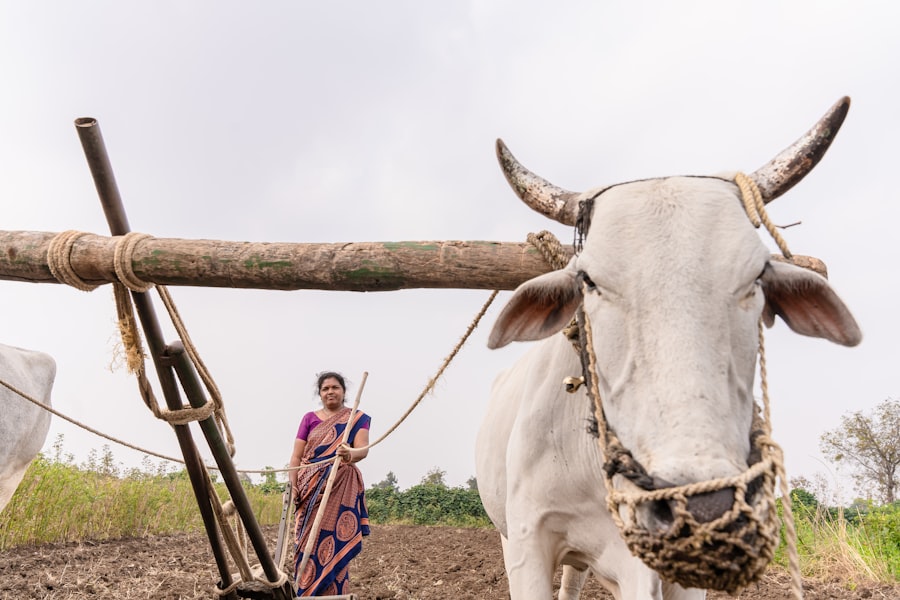
In addition to specialized training, livestock agents must meet specific qualifications related to their background, experience, and education. Many livestock agents have a background in law enforcement or agriculture, providing them with a deep understanding of both law enforcement practices and the unique challenges facing ranchers and farmers in the livestock industry.
Meeting Certification and Licensing Requirements
Some states may require livestock agents to hold specific certifications or licenses related to their work, ensuring that they have met certain standards for knowledge and expertise in their field. This adds an extra layer of assurance that livestock agents possess the necessary skills and knowledge to effectively enforce laws and regulations.
Effective Enforcement through Comprehensive Training and Qualifications
In summary, the training and qualifications for livestock agents in Montana are designed to ensure that they have the skills and knowledge necessary to effectively enforce laws and regulations related to the livestock industry. By combining specialized training with relevant qualifications, livestock agents are well-equipped to carry out their critical role in maintaining the integrity of the livestock industry.
Challenges and Future Outlook for Livestock Agent Law Enforcement in Montana
Despite their important role in protecting the welfare of animals and maintaining the integrity of the livestock industry, livestock agents in Montana face a number of challenges in carrying out their duties. One significant challenge is the vast geographic area that must be covered by a relatively small number of agents. Montana is a large state with a significant rural population, making it difficult for livestock agents to effectively cover all areas where violations may occur.
This challenge is compounded by limited resources for staffing and equipment, making it difficult for agents to respond quickly to reports of theft or other violations. Another challenge facing livestock agents is keeping up with evolving trends in the livestock industry, such as changes in transportation practices or new methods used by thieves to steal animals. Livestock agents must constantly adapt their investigative techniques and enforcement strategies to address these evolving challenges effectively.
Additionally, collaboration with other law enforcement agencies can be challenging at times due to differences in jurisdictional boundaries or competing priorities among agencies. Looking ahead, there are opportunities for improvement in addressing these challenges facing livestock agent law enforcement in Montana. Increased funding for staffing and equipment could help address some of the resource limitations faced by agents.
Additionally, continued investment in training programs can help ensure that agents have access to the latest tools and techniques needed to effectively enforce laws and regulations related to the livestock industry. Collaboration with other law enforcement agencies can also be strengthened through improved communication channels and coordination efforts. In conclusion, livestock agent law enforcement plays a vital role in protecting the welfare of animals, preventing theft and fraud, and maintaining the integrity of the livestock industry in Montana.
The responsibilities of livestock agents are diverse and demanding, requiring a broad range of skills related to law enforcement practices as well as knowledge about the unique challenges facing ranchers and farmers in the state. The laws and regulations governing their activities are comprehensive but require ongoing adaptation to address evolving challenges facing the industry. Collaboration with other law enforcement agencies is essential for effective enforcement efforts.
Despite facing challenges such as limited resources and evolving trends in the industry, there are opportunities for improvement through increased funding for staffing and equipment as well as continued investment in training programs. By addressing these challenges head-on, there is a bright future ahead for livestock agent law enforcement in Montana.
If you’re interested in learning more about the legal aspects of livestock and agriculture, you may want to check out this article on admiralty law. Admiralty law deals with maritime disputes, but it also has implications for livestock transportation and trade. Understanding the legal framework of admiralty law can provide valuable insights for livestock agents and law enforcement in Montana. You can read more about it here.
FAQs
What is a livestock agent in law enforcement in Montana?
A livestock agent in law enforcement in Montana is a professional who is responsible for enforcing laws and regulations related to livestock, such as cattle, horses, and other animals. They work to ensure the safety and well-being of livestock, as well as to prevent and investigate livestock-related crimes.
What are the duties of a livestock agent in law enforcement in Montana?
The duties of a livestock agent in law enforcement in Montana may include conducting inspections of livestock facilities, investigating reports of livestock theft or abuse, enforcing livestock-related laws and regulations, and working with other law enforcement agencies to address livestock-related issues.
What qualifications are required to become a livestock agent in law enforcement in Montana?
Qualifications to become a livestock agent in law enforcement in Montana may include a background in law enforcement, experience working with livestock, knowledge of livestock-related laws and regulations, and the ability to effectively communicate with livestock owners and other stakeholders.
How does a livestock agent in law enforcement in Montana help the community?
A livestock agent in law enforcement in Montana helps the community by ensuring the proper care and treatment of livestock, investigating and preventing livestock-related crimes, and promoting compliance with livestock-related laws and regulations. Their work helps to protect the livelihoods of livestock owners and the welfare of the animals.