













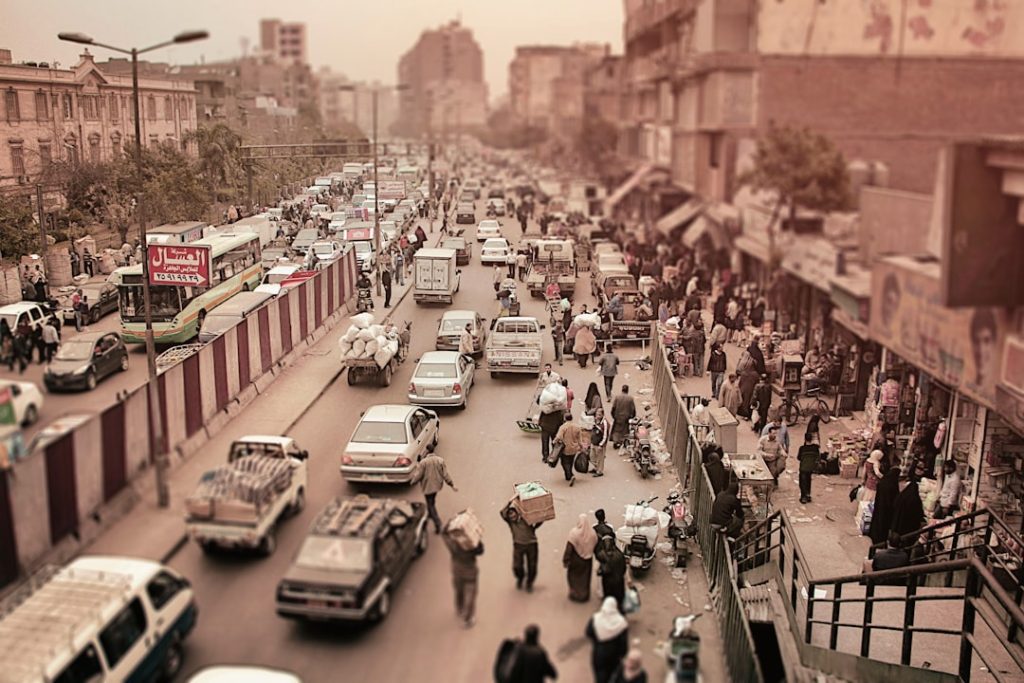
The Anti-Gridlock Law in California is a traffic regulation that prohibits vehicles from entering an intersection unless there is sufficient space on the opposite side for the vehicle to completely clear the intersection. This law aims to prevent gridlock, which occurs when vehicles obstruct intersections and hinder traffic flow. The regulation applies to all intersections, regardless of the presence of traffic signals.
Law enforcement officers are responsible for enforcing the Anti-Gridlock Law and may issue citations to drivers who violate it. The primary purpose of this law is to maintain smooth traffic flow and reduce congestion, particularly in densely populated urban areas. Compliance with this regulation is crucial for drivers to avoid fines and contribute to the overall safety and efficiency of the roadways.
Understanding and adhering to the Anti-Gridlock Law is essential for all drivers in California. By following this regulation, motorists can help ensure the safety and functionality of the state’s road network while avoiding potential legal consequences.
Key Takeaways
- California’s Anti-Gridlock Law prohibits drivers from entering an intersection unless there is enough space on the other side for their vehicle to completely clear the intersection.
- Violating the Anti-Gridlock Law can result in a fine and a point on the driver’s record, which can lead to increased insurance rates.
- The purpose of the Anti-Gridlock Law is to keep intersections clear and traffic flowing smoothly, reducing congestion and improving safety for pedestrians and other drivers.
- Exceptions to the Anti-Gridlock Law include situations where a driver is directed by a traffic officer or when making a legal U-turn.
- Penalties for violating the Anti-Gridlock Law can include a fine of up to 0 and a point on the driver’s record, which can lead to increased insurance rates.
How does the Anti-Gridlock Law affect drivers?
Approaching Intersections with Caution
The Anti-Gridlock Law requires drivers to be mindful of their actions when approaching and entering intersections. It is essential to ensure that there is enough space on the other side of the intersection for the vehicle to completely clear it before entering. This means that drivers must be aware of the traffic conditions ahead and be prepared to stop if necessary to avoid blocking the intersection.
Exercising Patience and Judgment
The law also emphasizes the importance of patience and caution when approaching intersections, especially during heavy traffic conditions. Even with a green light, drivers must wait for the intersection to clear before proceeding. This requires drivers to exercise judgment and caution to avoid violating the Anti-Gridlock Law.
Consequences of Non-Compliance
Drivers must be aware of the potential consequences of violating the Anti-Gridlock Law, including fines and penalties. These consequences can impact not only their driving record but also their finances. By understanding the law and its requirements, drivers can take steps to promote safe and responsible driving practices.
Understanding the purpose of the Anti-Gridlock Law
The purpose of the Anti-Gridlock Law is to prevent gridlock and maintain the flow of traffic on roadways. Gridlock occurs when vehicles block intersections, preventing other vehicles from passing through and causing congestion. This can lead to frustration, delays, and increased risk of accidents.
The Anti-Gridlock Law aims to address these issues by requiring drivers to exercise caution and judgment when approaching intersections, and by holding them accountable for their actions. By enforcing the Anti-Gridlock Law, authorities can help ensure that intersections remain clear and traffic can move smoothly. This benefits all drivers by reducing congestion, improving safety, and minimizing delays.
It also contributes to a more efficient use of roadways and helps to maintain a positive driving experience for everyone on the road.
Exceptions to the Anti-Gridlock Law
| City | Number of Exceptions Granted | Reason for Exception |
|---|---|---|
| New York City | 500 | Emergency vehicles |
| Los Angeles | 300 | Construction projects |
| Chicago | 250 | Public transportation |
While the Anti-Gridlock Law applies to most intersections, there are some exceptions that drivers should be aware of. One exception is when a driver is making a left turn at an intersection with a green light. In this situation, the driver may enter the intersection to make the left turn, even if there is not enough space on the other side for their vehicle to completely clear the intersection.
However, the driver must yield to oncoming traffic and pedestrians before making the turn. Another exception is when a driver is directed by a law enforcement officer or a traffic control device to enter an intersection. In these cases, drivers should follow the instructions given to them by the officer or device, even if it means entering an intersection when there may not be enough space on the other side for their vehicle to clear.
It is important for drivers to be familiar with these exceptions and to use good judgment when approaching intersections to ensure that they comply with the law.
Penalties for violating the Anti-Gridlock Law
Violating the Anti-Gridlock Law can result in penalties for drivers. In California, the fine for violating this law can range from $100 to $200, depending on the specific circumstances of the violation. In addition to fines, drivers may also receive points on their driving record, which can lead to increased insurance premiums and potential license suspension.
It is important for drivers to understand the potential consequences of violating the Anti-Gridlock Law and to take steps to comply with it. By exercising caution and judgment when approaching intersections, drivers can avoid fines and penalties while contributing to the overall safety and efficiency of the roadways.
Tips for complying with the Anti-Gridlock Law
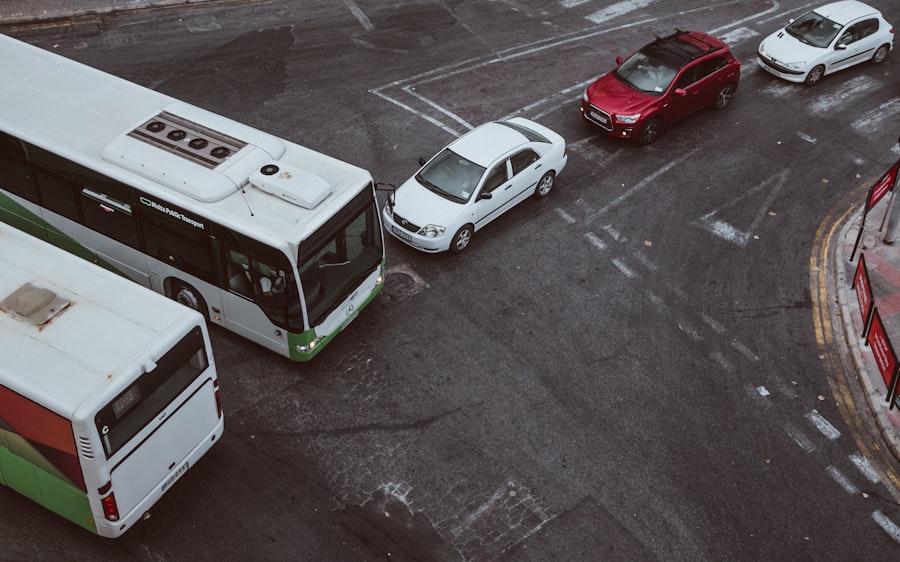
Stay Alert and Aware
Be mindful of traffic conditions and pay attention to the flow of traffic ahead. Be prepared to stop if necessary to avoid blocking an intersection.
Exercise Patience and Caution
Wait for the intersection to clear before proceeding, even if you have a green light. This will help prevent congestion and ensure a smooth flow of traffic.
Know the Exceptions
Be aware of the exceptions to the law, such as making left turns on a green light or following instructions from law enforcement officers or traffic control devices.
By following these tips, drivers can help prevent gridlock, maintain the flow of traffic, and avoid fines and penalties for violating the Anti-Gridlock Law.
How to report violations of the Anti-Gridlock Law
If you witness a violation of the Anti-Gridlock Law, you can report it to local law enforcement authorities. In some areas, there may be specific procedures or contact information for reporting traffic violations. You can also report violations through non-emergency police phone lines or online reporting systems.
When reporting a violation, be prepared to provide as much detail as possible, including the location, time, and description of the violation. If you are able to do so safely, you can also provide a license plate number or description of the vehicle involved in the violation. Reporting violations of the Anti-Gridlock Law can help authorities enforce the law and maintain safe and efficient roadways for all drivers.
By taking action to report violations, you can contribute to a positive driving experience for everyone on the road.
If you’re interested in learning more about California’s anti-gridlock law and its impact on traffic congestion, you may also want to check out this article on employment law. It provides valuable insights into the legal regulations that govern the workplace in California and how they can affect businesses and employees.
FAQs
What is California’s anti-gridlock law?
California’s anti-gridlock law prohibits vehicles from blocking intersections or crosswalks when traffic is congested. This law aims to keep intersections clear and traffic flowing smoothly.
What are the consequences of violating California’s anti-gridlock law?
Violating California’s anti-gridlock law can result in a traffic citation and a fine. Law enforcement officers may issue tickets to drivers who block intersections during heavy traffic.
How does California’s anti-gridlock law affect traffic flow?
By preventing vehicles from blocking intersections, California’s anti-gridlock law helps to maintain the flow of traffic and reduce congestion. It encourages drivers to wait until there is enough space on the other side of the intersection before proceeding.
Are there any exceptions to California’s anti-gridlock law?
There are certain exceptions to California’s anti-gridlock law, such as when a driver is following the directions of a law enforcement officer or traffic control device. Additionally, vehicles may enter an intersection to make a left turn if there is enough space on the other side.