

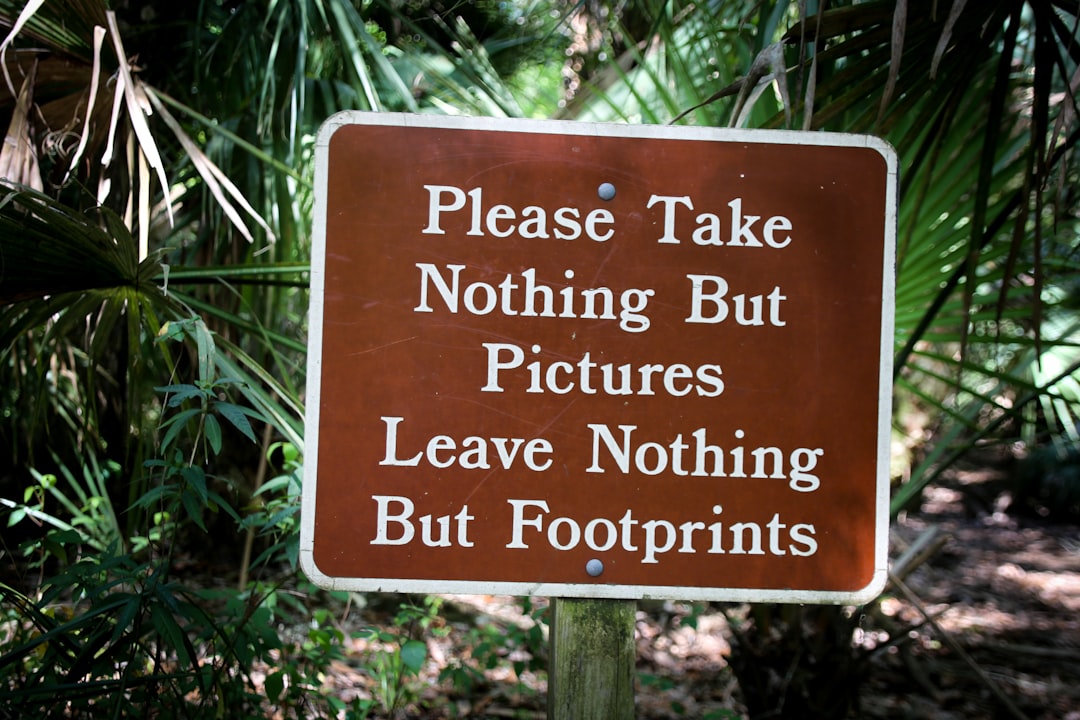












Animal protection laws are crucial in ensuring the welfare and well-being of animals. These laws are designed to prevent animal cruelty and abuse, and to provide legal recourse for those who mistreat animals. Animals are sentient beings capable of feeling pain and suffering, and it is our moral responsibility to protect them from harm.
Animal protection laws serve as a deterrent to those who would engage in acts of cruelty towards animals. They establish clear guidelines for how animals should be treated and provide legal consequences for those who fail to adhere to these standards. Without these laws, animals would be vulnerable to abuse and exploitation.
Key Takeaways
- Animal protection laws have become increasingly important in preventing animal cruelty and abuse.
- The evolution of animal rights and protection laws has been a long and complex process.
- Upholding animal protection laws can have significant economic and social benefits.
- Animal testing and research are areas where animal protection laws have had a significant impact.
- Implementing and enforcing animal protection laws can be challenging, but advocacy groups play an important role in promoting them.
The Historical Evolution of Animal Rights and Protection Laws
The concept of animal rights and the need for animal protection laws can be traced back to ancient civilizations. In ancient Egypt, for example, there were laws that protected certain animals, such as cats, from harm. In ancient Greece, philosophers such as Pythagoras and Aristotle advocated for the ethical treatment of animals.
However, it wasn’t until the 19th century that significant progress was made in the development of animal protection laws. The Society for the Prevention of Cruelty to Animals (SPCA) was founded in England in 1824, becoming the world’s first animal welfare organization. This marked a turning point in the recognition of animals as beings deserving of protection.
The Role of Animal Protection Laws in Preventing Animal Cruelty and Abuse
Animal protection laws play a crucial role in preventing animal cruelty and abuse. These laws establish clear guidelines for how animals should be treated and provide legal consequences for those who fail to adhere to these standards.
For example, many countries have laws that prohibit the mistreatment of animals, such as beating or neglecting them. These laws help ensure that animals are not subjected to unnecessary suffering or harm.
Animal protection laws also help regulate industries that use animals, such as farming and entertainment. These laws set standards for the treatment of animals in these industries, ensuring that they are not subjected to cruel practices.
The Economic and Social Benefits of Upholding Animal Protection Laws
| Category | Metric |
|---|---|
| Economic Benefits | Increase in tourism revenue due to animal welfare-friendly attractions |
| Reduction in healthcare costs due to decreased zoonotic disease transmission | |
| Decrease in property damage caused by stray animals | |
| Social Benefits | Improved public health and safety |
| Enhanced community well-being and quality of life | |
| Promotion of empathy and compassion towards animals |
Upholding animal protection laws not only benefits animals, but also has economic and social benefits for society as a whole.
From an economic perspective, animal protection laws can help boost industries that prioritize animal welfare. For example, consumers are increasingly demanding products that are produced in an ethical and sustainable manner. By upholding animal protection laws, countries can attract consumers who are willing to pay a premium for products that meet these standards.
From a social perspective, upholding animal protection laws helps foster a more compassionate society. Studies have shown that individuals who engage in acts of cruelty towards animals are more likely to engage in violent behavior towards humans as well. By preventing animal cruelty and abuse, we can help create a safer and more harmonious society.
The Impact of Animal Protection Laws on Animal Testing and Research
Animal protection laws have had a significant impact on the use of animals in testing and research. These laws have helped establish guidelines for the ethical treatment of animals in these settings and have led to the development of alternative methods that do not involve the use of animals.
In many countries, animal protection laws require that researchers obtain approval from an ethics committee before conducting experiments on animals. These committees evaluate the potential benefits of the research against the potential harm to the animals involved.
Animal protection laws have also led to increased transparency in animal testing and research. Many countries now require researchers to report their findings and provide justification for the use of animals in their experiments.
The Challenges of Implementing and Enforcing Animal Protection Laws

While animal protection laws are crucial in ensuring the welfare of animals, there are challenges in implementing and enforcing these laws.
One challenge is the lack of resources dedicated to enforcing animal protection laws. Many countries do not have sufficient funding or personnel to effectively enforce these laws, leading to a lack of accountability for those who mistreat animals.
Another challenge is the difficulty in prosecuting individuals who violate animal protection laws. In some cases, the burden of proof is high, making it difficult to secure convictions. Additionally, there is often a lack of public awareness and understanding of animal protection laws, which can make it challenging to gather evidence and build a case.
The Role of Advocacy Groups in Promoting Animal Protection Laws
Advocacy groups play a crucial role in promoting animal protection laws and raising awareness about animal welfare issues. These groups work tirelessly to advocate for stronger animal protection laws and to hold those who mistreat animals accountable.
Advocacy groups also play a key role in educating the public about animal welfare issues. They organize campaigns and events to raise awareness about the importance of treating animals with compassion and respect.
The Importance of Education and Awareness in Upholding Animal Rights
Education and awareness are crucial in upholding animal rights and ensuring the welfare of animals. By educating the public about animal welfare issues, we can foster a more compassionate society that values the well-being of animals.
Public education campaigns can help raise awareness about the importance of treating animals with kindness and respect. These campaigns can target different age groups and demographics, ensuring that everyone has access to information about animal welfare.
International Standards and Best Practices for Animal Protection Laws
There are international standards and best practices for animal protection laws that countries can adopt to ensure the welfare of animals.
The World Organisation for Animal Health (OIE) sets international standards for the treatment of animals. These standards cover a wide range of issues, including animal health, welfare, and trade.
Countries can also learn from each other’s best practices when it comes to animal protection laws. By sharing knowledge and experiences, countries can work together to improve their own laws and regulations.
The Ongoing Need for Strong Animal Protection Laws
In conclusion, animal protection laws are crucial in ensuring the welfare and well-being of animals. These laws help prevent animal cruelty and abuse, and provide legal recourse for those who mistreat animals.
The historical evolution of animal rights and protection laws has shown that progress has been made in recognizing animals as beings deserving of protection. However, there is still work to be done in implementing and enforcing these laws.
By upholding animal protection laws, we can not only protect animals from harm, but also reap economic and social benefits. It is our moral responsibility to ensure the welfare of animals and to create a more compassionate society that values the well-being of all living beings.
If you’re interested in animal protection laws, you might also find this article on environmental law from Tipsy Lawyer quite informative. It explores the intersection between environmental regulations and animal welfare, highlighting the importance of preserving natural habitats and ecosystems for the well-being of animals. Check it out here to gain a deeper understanding of how environmental laws play a crucial role in safeguarding our furry friends.
FAQs
What are animal protection laws?
Animal protection laws are laws that are designed to protect animals from cruelty, neglect, and abuse. These laws are put in place to ensure that animals are treated with respect and dignity, and that they are not subjected to unnecessary suffering.
What is the purpose of animal protection laws?
The purpose of animal protection laws is to prevent animal cruelty and to ensure that animals are treated with respect and dignity. These laws are designed to protect animals from neglect, abuse, and exploitation, and to promote their welfare and well-being.
What types of animals are protected by animal protection laws?
Animal protection laws protect a wide range of animals, including domestic animals such as dogs and cats, as well as wild animals such as elephants, tigers, and bears. These laws also protect animals used in research, entertainment, and agriculture.
What are some examples of animal protection laws?
Examples of animal protection laws include laws that prohibit animal cruelty, neglect, and abuse, as well as laws that regulate the use of animals in research, entertainment, and agriculture. These laws may also include provisions for the protection of endangered species and the prevention of animal trafficking.
Who enforces animal protection laws?
Animal protection laws are enforced by a variety of agencies, including local law enforcement, animal control agencies, and animal welfare organizations. These agencies work together to investigate and prosecute cases of animal cruelty and to ensure that animals are treated with respect and dignity.
What are the penalties for violating animal protection laws?
The penalties for violating animal protection laws vary depending on the severity of the offense and the jurisdiction in which the offense occurred. Penalties may include fines, imprisonment, and the forfeiture of animals. Repeat offenders may face more severe penalties.