












Mediation and negotiation are distinct yet connected processes in resolving disputes. Mediation involves a neutral third party who guides parties toward agreement without imposing a decision. Unlike mediation, arbitration results in a binding decision made by an arbitrator. Both offer alternatives to direct negotiation in legal, business, and personal conflicts.
This process is often characterized by its collaborative nature, allowing for open communication and the exploration of creative solutions that may not be available in traditional litigation. Negotiation, on the other hand, is the process through which parties engage directly with one another to reach an agreement. It can occur in various settings, from informal discussions to formal bargaining sessions.
Negotiation can be competitive or cooperative, depending on the relationship between the parties and the nature of the dispute. While mediation often involves a mediator to facilitate dialogue, negotiation can occur without any third-party involvement. Understanding the nuances of both processes is essential for parties seeking to resolve conflicts effectively, as each method offers unique advantages and challenges.
Key Takeaways
- Mediation and negotiation are effective methods for resolving legal disputes amicably, without the need for lengthy and costly court battles.
- Resolving legal disputes amicably through mediation and negotiation can lead to benefits such as saving time, money, and preserving relationships.
- The role of the mediator is to facilitate communication and guide the parties towards a mutually acceptable resolution, without taking sides or making decisions for them.
- Techniques for effective negotiation include active listening, problem-solving, and finding common ground to reach a win-win solution.
- The legal framework for mediation and negotiation varies by jurisdiction, but generally involves principles of confidentiality, voluntariness, and impartiality
Benefits of Resolving Legal Disputes Amicably
Resolving legal disputes amicably through mediation or negotiation offers numerous benefits that extend beyond mere cost savings. One of the most significant advantages is the preservation of relationships. In many cases, especially in business or family disputes, maintaining a positive relationship is crucial for future interactions.
Amicable resolutions foster an environment of collaboration rather than hostility, allowing parties to move forward without the lingering animosity that often accompanies litigation. Additionally, amicable resolutions tend to be more flexible and creative than those imposed by a court. In traditional litigation, outcomes are often binary—one party wins while the other loses.
In contrast, mediation and negotiation allow for tailored solutions that address the specific needs and interests of both parties. For instance, in a business dispute over contract terms, mediation might lead to a revised agreement that incorporates elements beneficial to both sides, such as extended payment terms or additional services. This flexibility not only enhances satisfaction with the outcome but also increases the likelihood of compliance with the agreed-upon terms.
The Role of the Mediator in the Process
The mediator plays a pivotal role in the mediation process, serving as a facilitator who helps parties navigate their differences and work towards a resolution. A skilled mediator possesses a deep understanding of conflict dynamics and employs various techniques to encourage open communication and trust among participants.
One of their primary responsibilities is to create a safe environment where parties feel comfortable expressing their concerns and interests without fear of judgment or retaliation. In some cases, parties may also be advised to find a good lawyer to better understand their rights and options before or during mediation, especially when legal issues are involved.
Mediators also help clarify issues and identify underlying interests that may not be immediately apparent. By asking probing questions and encouraging active listening, they guide parties toward understanding each other’s perspectives. This process often reveals common ground that can serve as a foundation for negotiation.
Furthermore, mediators are trained to manage emotions that may arise during discussions, helping to de-escalate tensions and keep conversations productive. Their neutrality is essential; they do not take sides or advocate for one party over another, which helps maintain an atmosphere of fairness throughout the process.
Techniques for Effective Negotiation
Effective negotiation requires a combination of strategies and techniques that can significantly influence the outcome of discussions. One fundamental technique is preparation. Successful negotiators invest time in understanding their own goals as well as those of the opposing party. This involves researching relevant information, identifying potential areas of compromise, and anticipating objections or counterarguments.
By being well-prepared, negotiators can approach discussions with confidence and clarity. Another critical technique is active listening. This involves not only hearing what the other party says but also demonstrating understanding through verbal affirmations and non-verbal cues such as nodding or maintaining eye contact. Active listening fosters rapport and encourages open dialogue, making it easier to identify shared interests and potential solutions. By creating this environment of mutual respect and understanding, parties are better positioned to negotiate a settlement that reflects their common goals. Additionally, employing “I” statements rather than “you” statements can help reduce defensiveness; for example, saying “I feel concerned about…” instead of “You always…” shifts the focus from blame to personal feelings, promoting a more constructive conversation.
Legal Framework for Mediation and Negotiation
The legal framework surrounding mediation and negotiation varies significantly across jurisdictions but generally includes statutes, regulations, and case law that govern these processes. In many countries, mediation is recognized as a legitimate alternative dispute resolution (ADR) method, often encouraged by courts as a means to alleviate caseloads and promote efficient resolution of disputes. For instance, in the United States, the Uniform Mediation Act provides guidelines for mediators and establishes confidentiality protections for mediation communications.
In addition to statutory frameworks, various professional organizations have developed ethical standards and best practices for mediators and negotiators. These guidelines help ensure that practitioners maintain integrity and professionalism throughout the process. For example, the American Arbitration Association (AAA) has established rules for mediation that outline procedures for initiating mediation, selecting mediators, and conducting sessions.
Understanding these legal frameworks is essential for parties engaging in mediation or negotiation, as they provide clarity on rights, responsibilities, and procedural expectations.
Case Studies of Successful Amicable Resolutions
Resolving Complex Patent Disputes
One notable example is the 2012 settlement between Apple Inc. and Samsung Electronics Co., which involved complex patent disputes over smartphone technology. Rather than pursuing lengthy litigation that could have resulted in significant financial losses for both companies, they opted for mediation facilitated by a neutral third party. Through this process, they reached an agreement that allowed both companies to continue competing in the market while avoiding further legal battles.
Settling Property Disputes through Mediation
Another illustrative case is the resolution of disputes between neighbors over property boundaries. In one instance, two homeowners found themselves at odds over an encroaching fence that one party had built without consulting the other. Instead of resorting to litigation, they engaged in mediation facilitated by a community mediator who helped them articulate their concerns and interests.
Fostering Community Cooperation through Mediation
The mediator guided them toward a solution that involved adjusting the fence placement while also establishing clear communication protocols for future property-related discussions. This amicable resolution not only preserved their relationship but also fostered a sense of community cooperation
Overcoming Challenges in Mediation and Negotiation
Despite its many benefits, mediation and negotiation are not without challenges. One common obstacle is power imbalances between parties, which can hinder effective communication and negotiation outcomes. For instance, in cases where one party has significantly more resources or experience than the other, the less powerful party may feel intimidated or reluctant to assert their interests.
Mediators play a crucial role in addressing these imbalances by ensuring that all voices are heard and facilitating equitable participation throughout the process. Emotional barriers can also pose significant challenges during mediation and negotiation. Disputes often evoke strong feelings such as anger, frustration, or fear, which can cloud judgment and impede constructive dialogue. These emotional and legal challenges must be carefully managed to keep the process focused and productive.
Mediators are trained to recognize these emotional dynamics and employ techniques to help parties manage their emotions effectively. This may involve taking breaks during intense discussions or using reframing techniques to shift negative perceptions into more constructive viewpoints. By addressing emotional barriers head-on, mediators can help create an environment conducive to resolution.
Training and Certification for Mediators and Negotiators
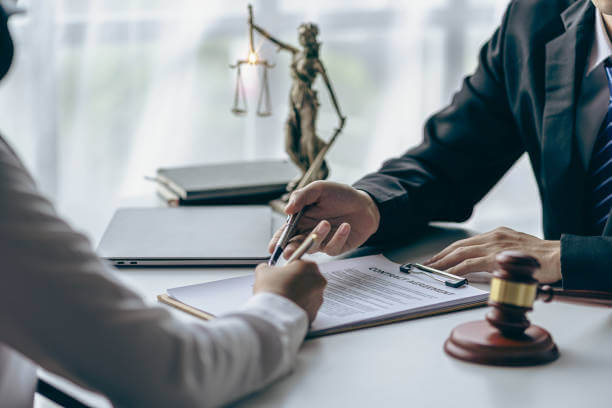
The effectiveness of mediation and negotiation largely depends on the skills and training of those involved in the process. As such, many organizations offer training programs designed to equip aspiring mediators and negotiators with essential skills and knowledge. These programs typically cover topics such as conflict resolution theory, communication techniques, ethical considerations, and practical exercises that simulate real-world scenarios.
Certification programs are also available through various professional organizations that set standards for mediators’ qualifications. For example, the Association for Conflict Resolution (ACR) offers certification for mediators who meet specific educational and experiential criteria. Such certifications not only enhance credibility but also provide assurance to parties seeking mediation services that they are working with qualified professionals—whether a full-time mediator or an experienced lawyer—who adhere to established ethical guidelines.
In conclusion, understanding mediation and negotiation is essential for effectively resolving disputes across various contexts. The benefits of amicable resolutions extend beyond financial savings; they foster relationships and promote creative solutions tailored to the needs of all parties involved. The role of mediators is critical in facilitating these processes while employing effective negotiation techniques can significantly influence outcomes.
With appropriate legal frameworks guiding these practices and ongoing training opportunities available for practitioners, mediation and negotiation continue to evolve as vital tools for conflict resolution in our increasingly complex world. For more information on how mediation is applied within government contexts, you may visit the U.S. Department of Health & Human Services’ Mediation Services page.
FAQs
What is mediation?
Mediation is a form of alternative dispute resolution where a neutral third party, known as a mediator, helps parties in a dispute to reach a mutually acceptable agreement.
What is negotiation?
Negotiation is a process in which parties in a dispute communicate with each other to reach a mutually acceptable agreement without the involvement of a neutral third party.
How does mediation work in resolving legal disputes?
In mediation, the mediator facilitates communication between the parties, helps them identify their interests and concerns, and assists them in reaching a voluntary and mutually acceptable resolution.
What are the benefits of mediation and negotiation in resolving legal disputes?
Mediation and negotiation offer parties in a dispute a more cost-effective, time-efficient, and collaborative way to resolve their legal issues without going to court. It also allows the parties to have more control over the outcome of their dispute.
When is mediation and negotiation used in legal disputes?
Mediation and negotiation can be used in a wide range of legal disputes, including family law matters, business disputes, employment conflicts, and personal injury cases, among others.
Is the outcome of mediation and negotiation legally binding?
If the parties reach an agreement through mediation or negotiation, they can choose to formalize the agreement into a legally binding contract or settlement agreement. This ensures that the terms of the agreement are enforceable in court.