











Maritime laws and regulations refer to the legal framework that governs activities at sea, including navigation, trade, and commerce. These laws are essential for ensuring the smooth operation of international trade and commerce, as well as the safety and security of vessels and crew members. Maritime laws are primarily concerned with issues such as navigation, pollution prevention, crew and employment regulations, liability and compensation for accidents, and fisheries and conservation regulations.
The importance of maritime laws in international trade and commerce cannot be overstated. The majority of global trade is conducted through maritime transportation, with over 90% of goods being transported by sea. Without proper regulations in place, there would be chaos and disorder in the maritime industry, leading to potential accidents, environmental damage, and disputes between nations. Maritime laws provide a legal framework that ensures the smooth flow of goods and services across borders, promotes fair competition, protects the rights of seafarers, and safeguards the marine environment.
Key Takeaways
- Maritime laws and regulations are essential for ensuring safety and security in the maritime industry.
- The United Nations Convention on the Law of the Sea (UNCLOS) is a key international agreement that governs maritime activities.
- The International Maritime Organization (IMO) plays a crucial role in regulating high seas and promoting safety and security.
- SOLAS and ISPS Code are important regulations for ensuring maritime safety and security.
- MARPOL and Ballast Water Management Convention are crucial for preventing and controlling pollution in the maritime industry.
The Importance of Maritime Laws for Safety and Security
One of the primary roles of maritime laws is to ensure safety and security at sea. The maritime industry is inherently risky, with vessels navigating through unpredictable weather conditions, encountering natural hazards such as icebergs or reefs, and facing potential threats from piracy or terrorism. Maritime laws play a crucial role in mitigating these risks and ensuring the safety of vessels, crew members, and cargo.
There have been numerous examples throughout history where maritime accidents have had a significant impact on the industry. One such example is the sinking of the Titanic in 1912. This tragic event resulted in the loss of over 1,500 lives and highlighted the need for stricter safety regulations in the maritime industry. As a result, the International Convention for the Safety of Life at Sea (SOLAS) was adopted in 1914 to establish minimum safety standards for ships.
Another example is the Deepwater Horizon oil spill in 2010, which was one of the largest marine oil spills in history. This incident resulted in significant environmental damage and highlighted the need for stricter regulations to prevent and respond to oil spills. The incident led to the adoption of the International Convention for the Prevention of Pollution from Ships (MARPOL) and the Ballast Water Management Convention, which aim to prevent marine pollution and regulate the discharge of ballast water from ships.
The United Nations Convention on the Law of the Sea (UNCLOS)
The United Nations Convention on the Law of the Sea (UNCLOS) is a comprehensive international treaty that governs all aspects of ocean governance, including maritime boundaries, navigation rights, exploitation of natural resources, and protection of the marine environment. UNCLOS was adopted in 1982 and has been ratified by over 160 countries, making it one of the most widely accepted international treaties.
UNCLOS is significant in maritime law as it provides a legal framework for resolving disputes between nations and ensures the peaceful use and conservation of the world’s oceans. The convention establishes rules for determining maritime boundaries, including exclusive economic zones (EEZs) and continental shelves, which are crucial for the exploitation of natural resources such as oil, gas, and minerals.
Key provisions of UNCLOS include freedom of navigation, protection of the marine environment, conservation and management of living resources, and dispute settlement mechanisms. These provisions have a significant impact on maritime activities, as they provide a legal framework for conducting trade, exploiting natural resources, and resolving disputes between nations.
International Maritime Organization (IMO) and its Role in Regulating High Seas
| Metrics | Description |
|---|---|
| IMO | International Maritime Organization |
| Established | 1959 |
| Headquarters | London, United Kingdom |
| Role | Regulating international shipping |
| Responsibilities | Developing and maintaining a comprehensive regulatory framework for shipping, promoting cooperation among governments in the field of shipping, and providing technical assistance to developing countries in the maritime sector |
| Conventions | SOLAS, MARPOL, STCW, FAL, BWM, HNS, LL, TONNAGE, LOAD LINES |
| Member States | 174 |
| Secretary-General | Kitack Lim |
The International Maritime Organization (IMO) is a specialized agency of the United Nations responsible for regulating international shipping. The IMO was established in 1948 and has since played a crucial role in developing and enforcing international maritime regulations.
The primary mandate of the IMO is to promote safe, secure, and efficient shipping on the high seas. The organization achieves this through the development and adoption of international conventions, codes, and guidelines that set standards for maritime safety, security, and environmental protection.
The IMO has been instrumental in the development of key international maritime regulations, such as SOLAS and the International Ship and Port Facility Security (ISPS) Code. These regulations are essential for ensuring the safety and security of vessels, crew members, and cargo.
Maritime Safety and Security Regulations: SOLAS and ISPS Code
The International Convention for the Safety of Life at Sea (SOLAS) is one of the most important international treaties in maritime law. It sets out minimum safety standards for ships, including construction, equipment, and operation requirements. SOLAS covers a wide range of safety issues, including fire protection, life-saving appliances, navigation equipment, and emergency procedures.
The SOLAS Convention has been updated several times since its adoption in 1914 to keep pace with technological advancements and emerging safety concerns. The most recent amendments to SOLAS were adopted in 2014 and include provisions for the mandatory use of electronic chart display and information systems (ECDIS), as well as the implementation of the International Safety Management (ISM) Code.
The ISPS Code was adopted in 2002 in response to the growing threat of terrorism in the maritime industry. The code sets out a comprehensive framework for enhancing the security of ships and port facilities. It requires ships and port facilities to develop and implement security plans, conduct regular security assessments, and establish communication protocols with relevant authorities.
Pollution Prevention and Control: MARPOL and Ballast Water Management Convention
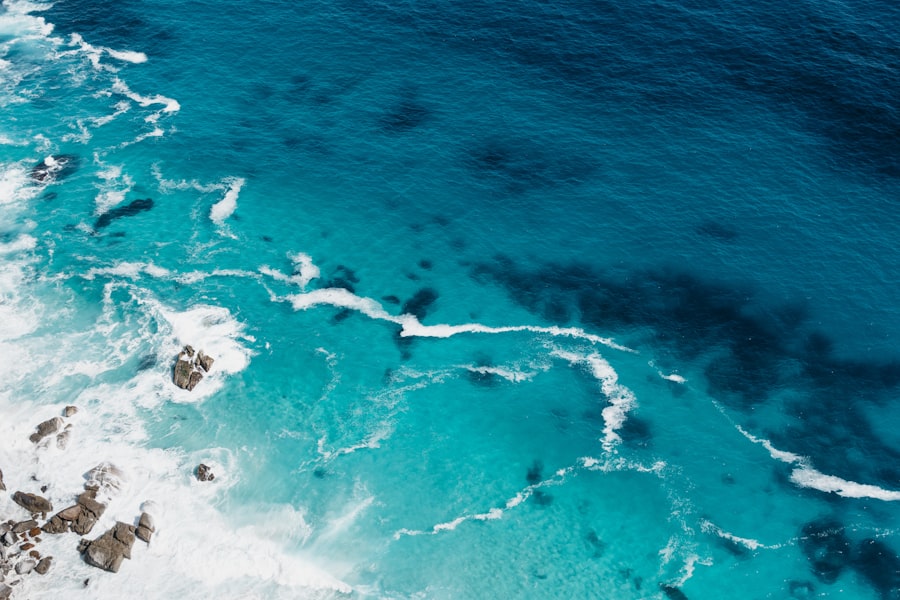
Marine pollution is a significant concern in the maritime industry, with oil spills, chemical spills, and discharge of harmful substances posing a threat to the marine environment. To address this issue, the International Convention for the Prevention of Pollution from Ships (MARPOL) was adopted in 1973.
MARPOL sets out regulations for the prevention and control of pollution from ships, including requirements for the discharge of oil, chemicals, sewage, and garbage. The convention includes six annexes that cover different types of pollution, such as oil pollution, noxious liquid substances, harmful substances in packaged form, sewage, garbage, and air pollution.
One of the key provisions of MARPOL is the requirement for ships to have an International Oil Pollution Prevention (IOPP) certificate, which certifies that the ship has adequate measures in place to prevent oil pollution. Ships are also required to have oil pollution emergency plans and to carry out regular inspections and maintenance of their oil pollution prevention equipment.
The Ballast Water Management Convention was adopted in 2004 to address the issue of invasive species being transported in ballast water. Ballast water is used to stabilize ships by adding or removing water from ballast tanks. However, this water often contains organisms that can be harmful to marine ecosystems when discharged into new environments.
The Ballast Water Management Convention requires ships to manage their ballast water to minimize the transfer of harmful organisms and pathogens. Ships are required to have a ballast water management plan, install ballast water treatment systems, and conduct ballast water exchange or treatment before discharging it into new environments.
Crew and Employment Regulations: Maritime Labour Convention (MLC)
The Maritime Labour Convention (MLC) is an international treaty that sets out minimum standards for seafarers’ working conditions and rights. The convention was adopted in 2006 and entered into force in 2013. It has been ratified by over 90 countries, representing more than 90% of the world’s shipping tonnage.
The MLC aims to ensure decent working and living conditions for seafarers, promote fair competition among shipowners, and protect seafarers’ rights to safe and secure working environments. The convention covers a wide range of issues, including employment contracts, working hours, wages, accommodation, food and catering, health and safety, and social security.
Key provisions of the MLC include the requirement for ships to have a maritime labor certificate and a declaration of maritime labor compliance. These documents certify that the ship complies with the minimum standards set out in the convention and that seafarers’ rights are protected.
The MLC also establishes a system for complaint handling and dispute resolution, allowing seafarers to seek redress for any violations of their rights. The convention provides seafarers with access to effective remedies, including compensation for any harm suffered as a result of non-compliance with the convention.
Liability and Compensation for Maritime Accidents: Athens Convention and CLC
Maritime accidents can have severe consequences, including loss of life, injury, environmental damage, and financial losses. To ensure that victims of maritime accidents are adequately compensated for their losses, international conventions have been adopted to establish liability regimes and provide compensation mechanisms.
The Athens Convention is an international treaty that governs the liability of shipowners for passenger claims arising from accidents at sea. The convention was adopted in 1974 and has been amended several times to increase the limits of liability and expand the scope of coverage.
Under the Athens Convention, shipowners are strictly liable for personal injury or death of passengers caused by accidents on board or during embarkation or disembarkation. The convention establishes a two-tier liability regime, with different limits of liability depending on the size of the ship.
The International Convention on Civil Liability for Oil Pollution Damage (CLC) is another important international treaty that governs liability and compensation for oil pollution damage caused by ships. The convention was adopted in 1969 and has been amended several times to increase the limits of liability and expand the scope of coverage.
Under the CLC, shipowners are strictly liable for oil pollution damage caused by their ships. The convention establishes a liability regime that requires shipowners to maintain insurance or other financial security to cover their liability for oil pollution damage. The CLC also provides for the establishment of compensation funds to ensure that victims of oil pollution damage are adequately compensated.
Fisheries and Conservation Regulations: FAO and RFMOs
The Food and Agriculture Organization (FAO) is a specialized agency of the United Nations that is responsible for promoting sustainable fisheries and aquaculture. The FAO plays a crucial role in the development and implementation of international fisheries regulations and conservation measures.
The FAO works closely with regional fisheries management organizations (RFMOs) to develop and enforce fisheries regulations in specific regions. RFMOs are intergovernmental organizations that are responsible for the conservation and management of fishery resources in their respective areas of jurisdiction.
RFMOs play a crucial role in regulating fishing activities, setting catch limits, establishing fishing seasons, and implementing measures to protect vulnerable species and habitats. These organizations also facilitate cooperation between countries to ensure the sustainable management of shared fishery resources.
The FAO and RFMOs work together to promote responsible fishing practices, combat illegal, unreported, and unregulated (IUU) fishing, and promote the conservation and sustainable use of marine resources. These efforts are essential for ensuring the long-term viability of fisheries and protecting marine ecosystems.
Future Developments in Maritime Laws and Regulations
The maritime industry is constantly evolving, with new technologies, emerging trends, and evolving challenges shaping the future of maritime laws and regulations. Some of the key trends and challenges that are likely to impact maritime laws in the future include:
1. Technological advancements: The maritime industry is embracing new technologies such as autonomous ships, digitalization, and artificial intelligence. These advancements have the potential to revolutionize the industry but also raise new legal and regulatory challenges, such as liability for accidents involving autonomous ships and data protection issues.
2. Climate change and environmental sustainability: Climate change is a significant challenge for the maritime industry, with rising sea levels, extreme weather events, and ocean acidification posing threats to coastal communities and marine ecosystems. Maritime laws will need to evolve to address these challenges and promote environmental sustainability.
3. Cybersecurity: The increasing reliance on digital technologies in the maritime industry makes it vulnerable to cyber threats. Maritime laws will need to address cybersecurity risks and establish standards for the protection of critical infrastructure and data.
4. Human rights and labor standards: The maritime industry relies heavily on seafarers from developing countries, who often face poor working conditions, exploitation, and human rights abuses. Maritime laws will need to strengthen protections for seafarers and ensure compliance with international labor standards.
Maritime laws and regulations play a crucial role in ensuring the safety, security, and sustainability of the maritime industry. These laws provide a legal framework for conducting international trade and commerce, protecting the rights of seafarers, preventing pollution, and conserving marine resources. The United Nations Convention on the Law of the Sea (UNCLOS), the International Maritime Organization (IMO), and other international conventions have been instrumental in developing and enforcing these laws.
As the maritime industry continues to evolve, it is essential for stakeholders to support the development and enforcement of maritime laws and regulations. This includes governments, shipping companies, seafarers’ organizations, environmental groups, and other relevant stakeholders. By working together, we can ensure that the maritime industry remains safe, secure, and sustainable for future generations.
If you’re interested in maritime laws and their application, you might find this article from Tipsy Lawyer particularly informative. It delves into the complexities of maritime law and how it applies to various situations. Whether you’re a shipowner, a seafarer, or simply curious about the legal aspects of maritime activities, this article will provide valuable insights. Check it out here.
FAQs
What are maritime laws?
Maritime laws are a set of laws that govern activities and transactions that take place on the sea, including shipping, navigation, and marine commerce.
Where do maritime laws apply?
Maritime laws apply in the territorial waters of a country, which typically extend 12 nautical miles from the coastline. They also apply in international waters, which are beyond the territorial waters of any country.
What is the purpose of maritime laws?
The purpose of maritime laws is to regulate and promote safety, security, and efficiency in maritime activities, as well as to protect the environment and ensure fair and equitable treatment of all parties involved in maritime transactions.
What are some examples of maritime laws?
Some examples of maritime laws include the International Convention for the Safety of Life at Sea (SOLAS), the International Convention on Standards of Training, Certification and Watchkeeping for Seafarers (STCW), and the International Convention for the Prevention of Pollution from Ships (MARPOL).
Who enforces maritime laws?
Maritime laws are enforced by various agencies and organizations, including national coast guards, port authorities, and international organizations such as the International Maritime Organization (IMO).
What happens if someone violates maritime laws?
If someone violates maritime laws, they may face penalties such as fines, imprisonment, or revocation of their license or certification. In some cases, the violation may also result in civil liability or environmental damage.