








Civil rights are the basic rights and freedoms that every individual is entitled to, regardless of their race, gender, religion, or any other characteristic. These rights are essential for ensuring equality and justice in society. Civil rights protect individuals from discrimination, guaranteeing their right to vote, access education and healthcare, and live free from violence and oppression.
Protecting civil rights is particularly important for marginalized communities who have historically been denied these rights. Marginalized communities, such as people of color, LGBTQ+ individuals, and religious minorities, have faced systemic discrimination and oppression throughout history. By safeguarding civil rights, we can work towards dismantling these systems of inequality and creating a more just and inclusive society.
Key Takeaways
- Civil rights are important for ensuring equality and justice for all individuals.
- Civil rights protections have evolved over time in the United States, but there is still work to be done.
- Marginalized communities are disproportionately impacted by civil rights violations.
- Law enforcement plays a significant role in civil rights violations and reform is necessary.
- Activism and advocacy are powerful tools in fighting civil rights violations.
The Evolution of Civil Rights Protections in the United States
The United States has a complex history when it comes to civil rights protections. From its founding, the country has grappled with issues of inequality and discrimination. However, over time, significant progress has been made through legislation and court cases that have shaped civil rights protections.
One of the most important milestones in civil rights history was the passage of the Civil Rights Act of 1964. This landmark legislation outlawed discrimination based on race, color, religion, sex, or national origin in public accommodations, employment, and education. It was a major step forward in ensuring equal rights for all Americans.
Another pivotal moment in civil rights history was the Supreme Court case Brown Board of Education in 1954. This case declared racial segregation in public schools unconstitutional, overturning the “separate but equal” doctrine established by Plessy Ferguson in 1896. The decision marked a turning point in the fight against racial segregation and set a precedent for future civil rights cases.
The Current State of Civil Rights in America: An Overview
While significant progress has been made in advancing civil rights in the United States, there are still areas where protections are lacking or under threat. In recent years, there has been a rise in voter suppression efforts, particularly targeting communities of color. These efforts include strict voter ID laws, gerrymandering, and the purging of voter rolls, all of which disproportionately affect marginalized communities.
Additionally, LGBTQ+ rights have been a contentious issue in recent years. While same-sex marriage was legalized nationwide in 2015, there are ongoing debates and legal battles surrounding issues such as transgender rights and discrimination based on sexual orientation.
Furthermore, the criminal justice system continues to disproportionately impact communities of color. Racial profiling, police brutality, and mass incarceration are all issues that undermine civil rights and perpetuate systemic inequality.
The Impact of Civil Rights Violations on Marginalized Communities
| Community | Impact of Civil Rights Violations |
|---|---|
| Black Americans | Higher rates of police brutality, mass incarceration, and economic inequality |
| Indigenous Peoples | Loss of land, cultural erasure, and disproportionate rates of poverty and violence |
| LGBTQ+ Community | Discrimination in employment, housing, and healthcare, as well as higher rates of violence and suicide |
| Immigrants | Family separation, detention, and deportation, as well as discrimination and exploitation in the workplace |
| People with Disabilities | Lack of accessibility, discrimination in education and employment, and higher rates of poverty and violence |
Civil rights violations have a profound impact on marginalized communities. When individuals are denied their civil rights, they are effectively denied equal opportunities and access to resources. This perpetuates cycles of poverty and inequality, making it difficult for marginalized communities to break free from systemic oppression.
For example, when people of color are subjected to racial profiling or police brutality, it erodes trust in law enforcement and perpetuates a sense of fear and insecurity within these communities. This not only harms individuals on a personal level but also undermines the overall safety and well-being of these communities.
Similarly, when LGBTQ+ individuals face discrimination in employment or housing, it limits their opportunities for economic stability and social acceptance. This can lead to higher rates of homelessness, mental health issues, and overall lower quality of life.
The Role of Law Enforcement in Civil Rights Violations
Law enforcement can play a significant role in civil rights violations. While the majority of law enforcement officers uphold their duty to protect and serve, there have been numerous cases of police brutality and misconduct that have violated the civil rights of individuals.
Instances of police brutality disproportionately affect marginalized communities, particularly people of color. The use of excessive force, racial profiling, and discriminatory practices contribute to a climate of fear and mistrust between law enforcement and these communities.
It is important to note that not all law enforcement officers engage in civil rights violations. However, the actions of a few can have far-reaching consequences and tarnish the reputation of the entire profession. Efforts to address these issues include increased training on de-escalation techniques, implicit bias, and community policing.
The Intersection of Civil Rights and Criminal Justice Reform

Civil rights and criminal justice reform are deeply interconnected. The criminal justice system has a significant impact on civil rights, as it is responsible for enforcing laws and ensuring equal treatment under the law.
However, the current criminal justice system often perpetuates systemic inequality and disproportionately targets marginalized communities. This is evident in the overrepresentation of people of color in prisons and the harsh sentencing practices that disproportionately affect these communities.
Criminal justice reform seeks to address these issues by advocating for fairer sentencing practices, alternatives to incarceration, and addressing systemic biases within the system. By reforming the criminal justice system, we can better protect civil rights and work towards a more equitable society.
The Power of Activism and Advocacy in Fighting Civil Rights Violations
Activism and advocacy play a crucial role in fighting civil rights violations. Throughout history, grassroots movements have been instrumental in bringing about social change and advancing civil rights.
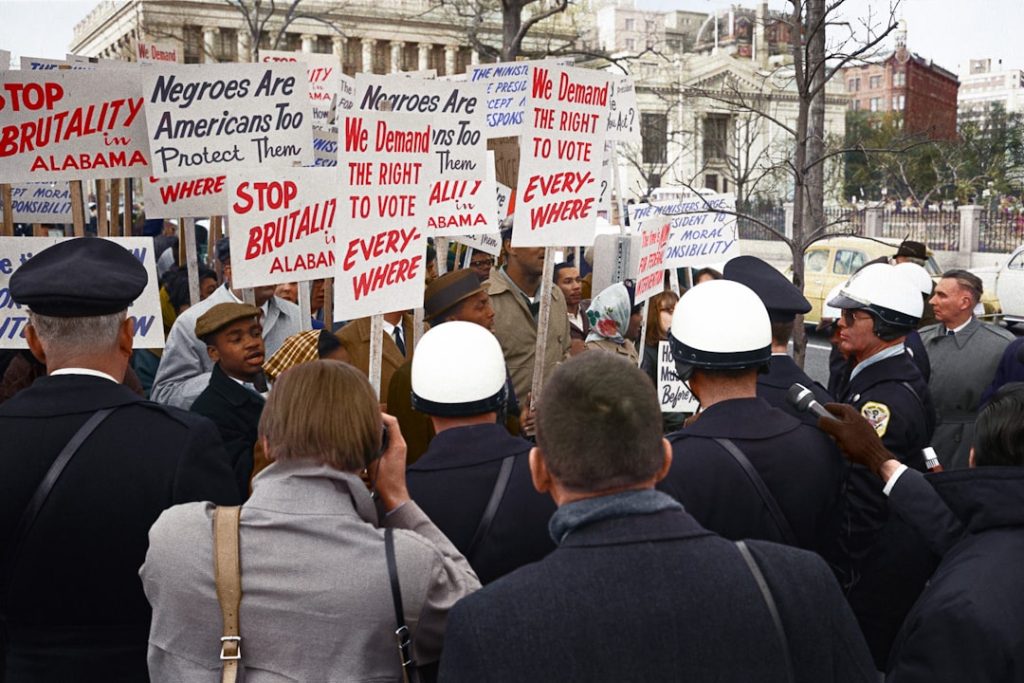
One example of successful activism is the Civil Rights Movement of the 1950s and 1960s. Through nonviolent protests, sit-ins, and marches, activists fought for desegregation, voting rights, and an end to racial discrimination. Their efforts led to significant legislative changes and helped shape the civil rights protections we have today.
In recent years, movements such as Black Lives Matter have brought attention to issues of police brutality and systemic racism. These movements have sparked important conversations and pushed for reforms to address these issues.
The Importance of Education and Awareness in Preventing Civil Rights Violations
Education and awareness are essential in preventing civil rights violations. By educating individuals about their rights and the history of civil rights struggles, we can empower them to recognize and challenge discrimination and inequality.
Educational campaigns can help raise awareness about civil rights issues and promote inclusivity and acceptance. These campaigns can take various forms, such as workshops, public service announcements, and school curricula that teach about the importance of civil rights.
Furthermore, media plays a crucial role in shaping public opinion and perceptions. By promoting diverse voices and stories that challenge stereotypes and promote understanding, media can contribute to a more inclusive society.
The Future of Civil Rights: Challenges and Opportunities
While progress has been made in advancing civil rights, there are still significant challenges that need to be addressed. One of the main challenges is the persistence of systemic racism and discrimination. In order to truly achieve equality, we must confront these deep-rooted issues and work towards dismantling systems of oppression.
Another challenge is the erosion of voting rights. Efforts to suppress the votes of marginalized communities undermine the democratic process and perpetuate inequality. It is crucial to protect voting rights and ensure that every individual has equal access to participate in the democratic process.
However, there are also opportunities for improving civil rights protections in the future. The growing awareness and activism surrounding civil rights issues provide hope for positive change. By continuing to advocate for equal rights, we can create a more just society for all.
The Need for Continued Vigilance and Action Against Civil Rights Violations
In conclusion, civil rights are fundamental to a just and equitable society. Protecting civil rights is essential for ensuring equality and justice for all individuals, particularly marginalized communities who have historically been denied these rights.
While progress has been made in advancing civil rights protections, there are still areas where protections are lacking or under threat. Civil rights violations have a profound impact on marginalized communities, perpetuating cycles of inequality and oppression.
Addressing civil rights violations requires a multi-faceted approach that includes criminal justice reform, activism, education, and awareness. By working together, we can protect civil rights and create a more inclusive and equitable society for all. It is crucial that we remain vigilant and continue to take action against civil rights violations in order to build a better future.
If you’re interested in civil rights violations, you may also want to read this article on the Tipsy Lawyer website about the importance of understanding bankruptcy filings as public records. It sheds light on how bankruptcy filings can impact individuals’ privacy and potentially lead to civil rights violations. Check it out here.
FAQs
What are civil rights violations?
Civil rights violations refer to any action that deprives an individual or group of their rights as guaranteed by the Constitution and federal or state laws. These violations can include discrimination, harassment, denial of equal protection under the law, and more.
What are some examples of civil rights violations?
Examples of civil rights violations include police brutality, employment discrimination, housing discrimination, denial of voting rights, and hate crimes.
What laws protect against civil rights violations?
The Constitution, the Civil Rights Act of 1964, the Americans with Disabilities Act, the Fair Housing Act, and the Voting Rights Act are just a few of the laws that protect against civil rights violations.
What can I do if I believe my civil rights have been violated?
If you believe your civil rights have been violated, you can file a complaint with the appropriate government agency, such as the Equal Employment Opportunity Commission or the Department of Justice. You may also consider seeking legal representation to pursue a lawsuit.
What are the consequences of civil rights violations?
The consequences of civil rights violations can include fines, imprisonment, loss of employment, and civil lawsuits. Additionally, civil rights violations can have a significant impact on the victim’s physical and emotional well-being.