














Discretion in law enforcement is a critical tool that allows officers to make situational judgments based on their experience and the specific circumstances they encounter. This flexibility enables them to respond appropriately to diverse situations, recognizing that a uniform approach is not always effective. For instance, minor traffic violations may be handled differently depending on the context, and domestic violence cases require careful consideration of safety factors.
Discretion also aids in resource allocation, allowing officers to focus on more serious crimes. However, the use of discretion in law enforcement is not without controversy. Critics raise concerns about potential inconsistencies in treatment and the possibility of power abuse.
There are instances where discretion may be misused to unfairly target specific groups or individuals based on factors such as race, ethnicity, or socioeconomic status. Such practices can undermine community trust in law enforcement and foster perceptions of injustice. To address these concerns, it is imperative for law enforcement agencies to establish clear guidelines and provide comprehensive training on the appropriate application of discretion.
This approach aims to ensure that discretionary powers are exercised fairly and consistently across all interactions with the public.
Key Takeaways
- Discretion plays a crucial role in law enforcement, allowing officers to make decisions based on the specific circumstances of each situation.
- Factors such as personal biases, departmental policies, and community expectations can influence law enforcement decision making.
- Ethical considerations, such as fairness, integrity, and respect for human rights, are essential in guiding law enforcement discretion.
- Training and clear guidelines are important for ensuring that law enforcement officers exercise discretion in a consistent and responsible manner.
- Bias, whether conscious or unconscious, can significantly impact law enforcement decision making and must be addressed through awareness and education.
Factors Influencing Law Enforcement Decision Making
Legal Considerations
Legal considerations play a significant role in shaping how officers approach different situations. They must be knowledgeable about the laws and regulations that govern their actions and ensure that their decisions are in compliance with them.
Departmental Policies and Individual Officer Discretion
Departmental policies also play a crucial role in guiding law enforcement decision making. These policies provide officers with a framework for how to handle various situations and ensure consistency within the department. Individual officer discretion is another important factor that influences decision making in law enforcement. Officers bring their own experiences, biases, and judgment to the table when making decisions. This can lead to variations in how different officers handle similar situations.
External Pressures
External pressures, such as public opinion, media scrutiny, and political influences, can also impact law enforcement decision making. For example, in high-profile cases, officers may feel pressure to act in a certain way to appease public sentiment or political interests. These external pressures can sometimes conflict with the need for impartial and fair decision making.
Ethical Considerations in Law Enforcement Discretion

Ethical considerations are paramount in law enforcement discretion, as officers are entrusted with significant power and authority. They must make decisions that are not only legal and within departmental guidelines but also ethical and morally sound. Ethical decision making in law enforcement involves considering the potential impact of their actions on individuals and communities, as well as upholding the principles of fairness, justice, and integrity.
For example, when using discretion in making an arrest, officers must consider whether the arrest is necessary and proportionate to the situation at hand. Furthermore, ethical considerations also extend to issues such as honesty, transparency, and accountability. Officers must be truthful in their interactions with the public and uphold the trust placed in them by the community.
Transparency in decision making is essential to maintain public trust and confidence in law enforcement. Additionally, accountability is crucial in ensuring that officers are held responsible for their actions and decisions. Ethical considerations provide a moral compass for law enforcement officers and help guide them in making decisions that are not only legal but also just and fair.
Training and Guidelines for Law Enforcement Discretion
| Training and Guidelines for Law Enforcement Discretion | |
|---|---|
| Number of officers trained | Percentage of officers who received updated guidelines |
| Number of training hours provided | Number of de-escalation techniques taught |
| Feedback from community on officer discretion | Number of disciplinary actions related to discretion |
To ensure that discretion is used appropriately and ethically, law enforcement agencies provide training and guidelines to their officers. Training programs cover various aspects of discretion, including legal considerations, departmental policies, ethical decision making, and de-escalation techniques. Officers are trained to understand the boundaries of their discretion and how to apply it in different situations.
They also receive instruction on recognizing and addressing biases that may influence their decision making. In addition to training, law enforcement agencies establish clear guidelines for the use of discretion. These guidelines outline the circumstances under which discretion can be used and provide examples of appropriate and inappropriate uses of discretion.
They also emphasize the importance of fairness, impartiality, and ethical decision making. By providing training and guidelines, law enforcement agencies aim to ensure that officers have the knowledge and tools necessary to exercise their discretion responsibly and in line with departmental values.
The Impact of Bias on Law Enforcement Decision Making
Bias can significantly impact law enforcement decision making, leading to unfair treatment of individuals and communities. Implicit biases, which are unconscious attitudes or stereotypes that affect our understanding, actions, and decisions, can influence how officers perceive and interact with people from different backgrounds. For example, studies have shown that racial bias can lead to disproportionate stops, searches, and arrests of minority individuals by law enforcement.
This can erode trust in law enforcement and perpetuate feelings of injustice within communities. Furthermore, bias can also affect how officers use discretion in different situations. For example, an officer’s biases may influence whether they choose to issue a warning or a citation for a minor infraction.
Additionally, biases can impact how officers respond to calls for service or handle situations involving individuals from marginalized communities. Recognizing and addressing bias is crucial in ensuring fair and impartial decision making in law enforcement. Training programs that focus on diversity, equity, and inclusion can help officers become more aware of their biases and learn strategies to mitigate their impact on decision making.
Accountability and Oversight in Law Enforcement Discretion
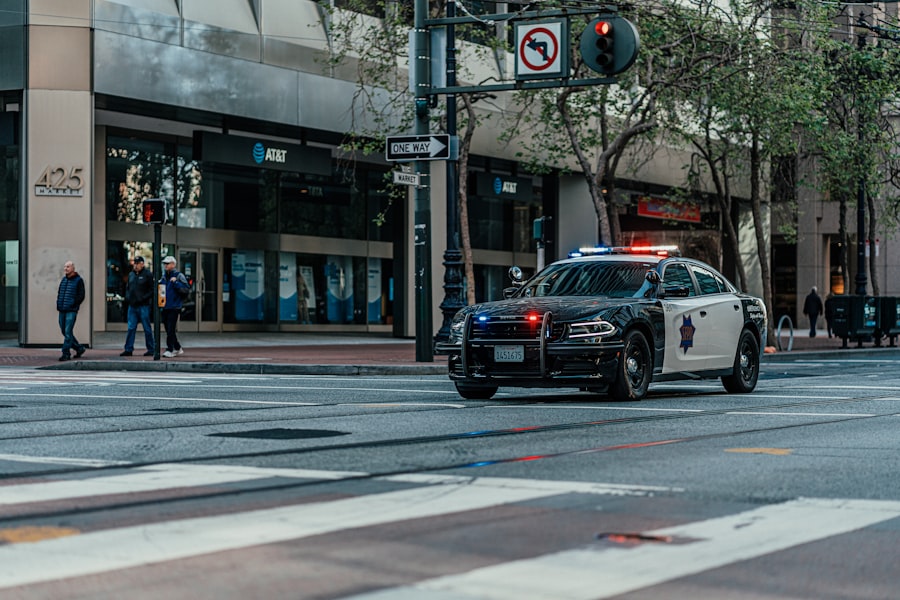
Internal Accountability Mechanisms
Accountability involves holding officers accountable for their actions and decisions, ensuring that they adhere to departmental policies and guidelines. Internal oversight mechanisms, such as internal affairs divisions, provide independent scrutiny of law enforcement actions to ensure that they are conducted in accordance with the law and departmental standards.
External Oversight Mechanisms
In addition to internal oversight mechanisms, external oversight from government agencies and community organizations can also play a role in holding law enforcement accountable for their use of discretion.
Maintaining Public Trust
Transparency in decision making and accountability for misconduct are critical in maintaining public trust in law enforcement. By establishing robust accountability and oversight mechanisms, law enforcement agencies demonstrate their commitment to upholding high standards of conduct and ethical decision making.
Strategies for Improving Law Enforcement Decision Making
There are several strategies that can be implemented to improve law enforcement decision making and ensure that discretion is used responsibly and ethically. One such strategy is the implementation of bias training programs that focus on recognizing and addressing implicit biases among officers. These programs can help officers become more aware of their biases and learn techniques to mitigate their impact on decision making.
Another strategy is the use of technology to provide officers with real-time information and guidance when making decisions in the field. For example, mobile applications can provide officers with access to departmental policies, legal resources, and best practices for handling different situations. This can help ensure that officers have the most up-to-date information at their fingertips when exercising discretion.
Furthermore, community engagement initiatives can also play a role in improving law enforcement decision making. By building positive relationships with the community, law enforcement agencies can gain valuable insights into community needs and concerns, which can inform their approach to using discretion. Community input can also help hold law enforcement accountable for their actions and decisions.
In conclusion, discretion plays a vital role in law enforcement decision making, allowing officers to use their judgment and experience to handle diverse situations. However, it is essential for law enforcement agencies to provide clear guidelines and training on the appropriate use of discretion to ensure that it is applied fairly and consistently. Ethical considerations are paramount in law enforcement discretion, guiding officers to make decisions that are not only legal but also ethical and morally sound.
Training programs cover various aspects of discretion, including legal considerations, departmental policies, ethical decision making, and de-escalation techniques. Bias can significantly impact law enforcement decision making, leading to unfair treatment of individuals and communities; therefore recognizing and addressing bias is crucial in ensuring fair and impartial decision making in law enforcement. Accountability involves holding officers responsible for their actions and decisions; oversight mechanisms provide independent scrutiny of law enforcement actions to ensure that they are conducted in accordance with the law and departmental standards.
There are several strategies that can be implemented to improve law enforcement decision making; bias training programs focus on recognizing implicit biases among officers; technology provides officers with real-time information when making decisions; community engagement initiatives build positive relationships with the community which can inform their approach to using discretion.
If you’re interested in learning more about how law enforcement officers apply discretion, you should check out the article “Understanding the Role of Discretion in Law Enforcement” on TipsyLawyer.com. This article delves into the various factors that influence an officer’s decision-making process and how discretion is used in real-life situations. It’s a fascinating read that provides valuable insight into the complexities of law enforcement. https://tipsylawyer.com/
FAQs
What is discretion in law enforcement?
Discretion in law enforcement refers to the authority and power given to law enforcement officers to make decisions based on their judgment and the specific circumstances of a situation.
How do law enforcement officers apply discretion?
Law enforcement officers apply discretion by considering various factors such as the severity of the offense, the individual’s criminal history, the potential for rehabilitation, and the impact on the community. They may choose to issue a warning, make an arrest, or refer the individual to alternative programs.
What factors influence law enforcement officers’ use of discretion?
Factors that influence law enforcement officers’ use of discretion include departmental policies, the law, the officer’s training and experience, the individual’s behavior and attitude, the presence of any mitigating circumstances, and the potential impact on public safety.
What are the potential benefits of law enforcement officers using discretion?
The potential benefits of law enforcement officers using discretion include the ability to tailor responses to individual circumstances, promote community trust and cooperation, conserve resources, and prioritize more serious offenses.
What are the potential drawbacks of law enforcement officers using discretion?
The potential drawbacks of law enforcement officers using discretion include the potential for bias or discrimination, inconsistency in decision-making, and the perception of unfair treatment. It is important for officers to use discretion responsibly and in accordance with the law.