












Animal protection laws are regulations put in place to safeguard the well-being and welfare of animals. These laws aim to prevent cruelty, abuse, and neglect towards animals, and promote their overall welfare. The importance of protecting animals from cruelty and abuse cannot be overstated. Animals are sentient beings capable of feeling pain, fear, and suffering, and it is our moral responsibility to ensure their well-being.
Animal protection laws play a crucial role in promoting animal welfare. They provide a legal framework for holding individuals accountable for their actions towards animals and serve as a deterrent against animal cruelty. These laws also help educate the public about the importance of treating animals with compassion and respect. By establishing standards for the care and treatment of animals, animal protection laws contribute to creating a more humane society.
Key Takeaways
- Animal protection laws are crucial for safeguarding our furry friends.
- Stronger animal protection laws are needed to combat animal cruelty.
- Animal protection laws have evolved from ancient times to modern day.
- Governments play a vital role in creating and enforcing animal protection laws.
- Animal welfare organizations advocate for stronger animal protection laws.
Understanding Animal Cruelty: The Need for Stronger Animal Protection Laws
Animal cruelty refers to any act of intentional harm or neglect towards animals that causes unnecessary suffering or distress. Examples of animal cruelty include physical abuse, neglect, abandonment, hoarding, and animal fighting. These acts not only cause immense suffering to animals but also have a negative impact on society as a whole.
Stronger animal protection laws are needed to prevent animal cruelty and ensure that those who engage in such acts are held accountable. These laws can provide law enforcement agencies with the necessary tools to investigate and prosecute cases of animal cruelty effectively. They can also impose stricter penalties on offenders, acting as a deterrent against future acts of cruelty.
The Evolution of Animal Protection Laws: From Ancient Times to Modern Day
Animal protection laws have a long history that dates back to ancient civilizations. In ancient Egypt, for example, there were laws that protected certain species of animals from harm. In ancient Rome, laws were enacted to prevent the mistreatment of animals used in entertainment such as gladiator fights.
Over time, animal protection laws have evolved to reflect changing societal attitudes towards animals. In the 19th century, the first animal protection societies were established, advocating for the humane treatment of animals. In the 20th century, countries around the world began enacting comprehensive animal protection laws, recognizing animals as sentient beings deserving of legal protection.
Today, animal protection laws vary from country to country, but most jurisdictions have legislation in place to prevent animal cruelty and promote animal welfare. However, there is still work to be done to ensure that these laws are effectively enforced and that animals are adequately protected.
The Role of Government in Animal Protection: Laws and Regulations
| Topic | Description |
|---|---|
| Animal Welfare Act | A federal law that sets minimum standards for the treatment of animals in research, exhibition, transport, and by dealers. |
| Humane Slaughter Act | A federal law that requires animals to be rendered insensible to pain before slaughter. |
| Endangered Species Act | A federal law that protects endangered and threatened species and their habitats. |
| Wildlife Protection Laws | State and federal laws that regulate hunting, trapping, and the trade of wildlife. |
| Pet Protection Laws | State and local laws that regulate the treatment of pets, including animal cruelty and neglect. |
| Animal Control Laws | State and local laws that regulate the ownership and control of domestic animals, including licensing and vaccination requirements. |
The government plays a crucial role in protecting animals through the enactment and enforcement of animal protection laws and regulations. Governments have a responsibility to ensure that animals are treated with compassion and respect and that their welfare is safeguarded.
Animal protection laws and regulations cover a wide range of issues, including the treatment of animals in agriculture, research, entertainment, and domestic settings. These laws set standards for the care and treatment of animals, establish licensing requirements for certain activities involving animals, and impose penalties for violations.
The impact of government policies on animal welfare cannot be underestimated. By enacting strong animal protection laws and regulations, governments can create a legal framework that promotes the well-being of animals and holds individuals accountable for their actions towards animals.
Animal Welfare Organizations: Advocating for Stronger Animal Protection Laws
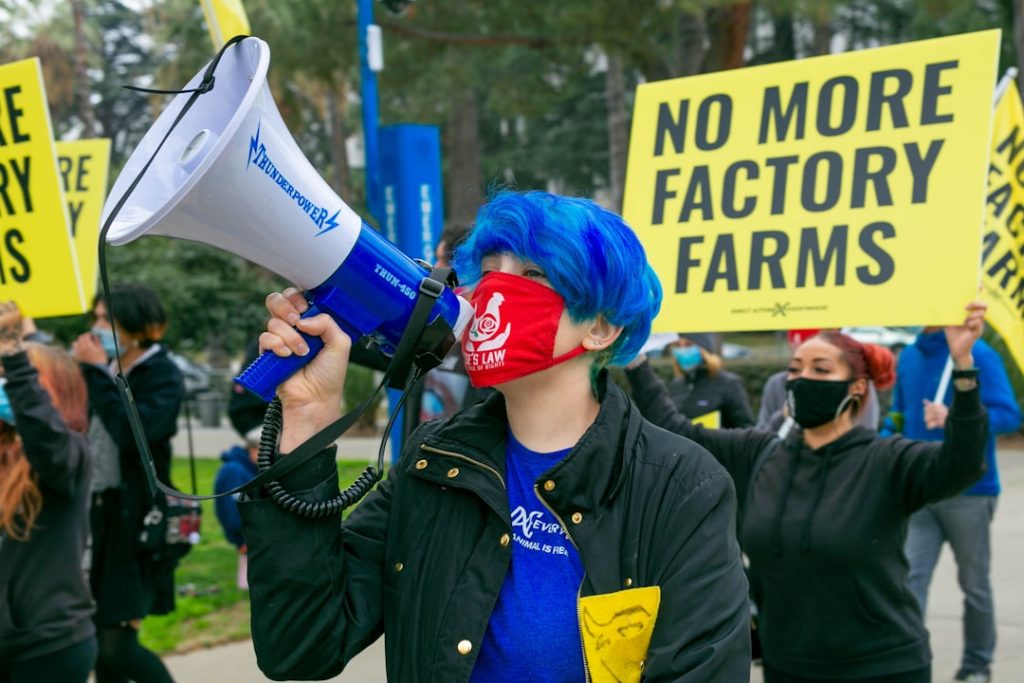
Animal welfare organizations play a crucial role in advocating for stronger animal protection laws. These organizations work tirelessly to raise awareness about animal cruelty issues, lobby for legislative changes, and provide support to law enforcement agencies in investigating cases of animal abuse.
There are numerous animal welfare organizations around the world that are dedicated to promoting animal protection laws. These organizations engage in public education campaigns, conduct research on animal welfare issues, and provide resources and support to individuals and communities working to improve the lives of animals.
The impact of animal welfare organizations on animal protection laws cannot be overstated. Through their advocacy efforts, these organizations have been instrumental in bringing about positive changes in legislation and raising public awareness about the importance of animal welfare.
The Impact of Animal Protection Laws on Society: Educating the Public
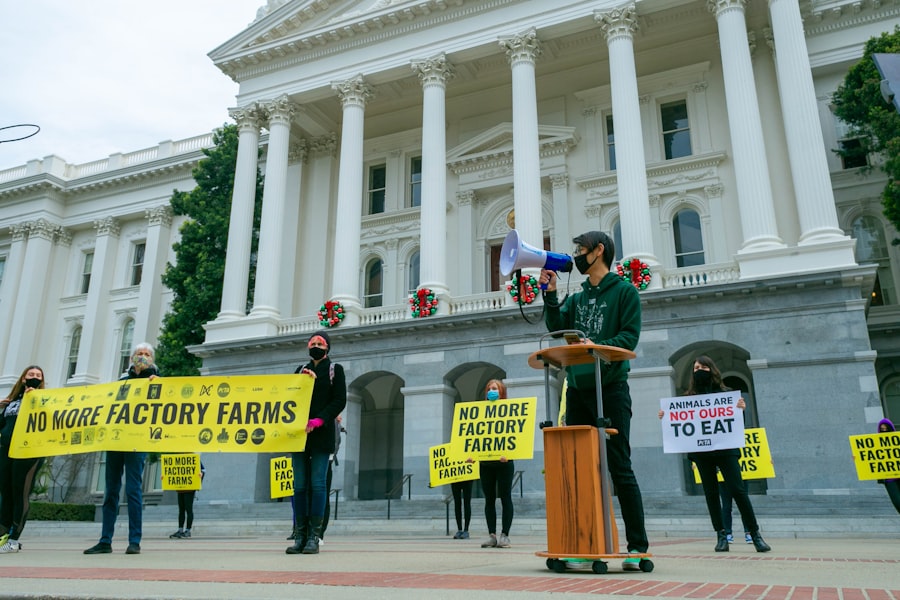
One of the key impacts of animal protection laws is the education of the public about the importance of treating animals with compassion and respect. These laws serve as a tool for raising awareness about animal welfare issues and promoting a more humane society.
By establishing standards for the care and treatment of animals, animal protection laws send a clear message that animal cruelty will not be tolerated. They also provide opportunities for public education campaigns, which can help change societal attitudes towards animals and promote a culture of compassion.
Public awareness plays a crucial role in promoting animal welfare. When individuals are educated about the importance of treating animals with kindness and empathy, they are more likely to take action to protect animals and support stronger animal protection laws.
Animal Protection Laws and the Legal System: Prosecuting Animal Abusers
The legal system plays a vital role in enforcing animal protection laws and prosecuting those who engage in acts of animal cruelty. When cases of animal abuse are reported, law enforcement agencies have a responsibility to investigate these cases thoroughly and gather evidence for prosecution.
Prosecuting animal abusers sends a strong message that animal cruelty will not be tolerated and helps deter others from engaging in similar acts. It also provides justice for the victims and ensures that offenders are held accountable for their actions.
However, there are challenges in prosecuting animal abusers. In some cases, it can be difficult to gather sufficient evidence or prove intent beyond a reasonable doubt. Additionally, there may be limited resources available to investigate and prosecute cases of animal cruelty.
The Challenges of Enforcing Animal Protection Laws: Resources and Funding
Enforcing animal protection laws can be challenging due to limited resources and funding. Law enforcement agencies often face competing priorities and may not have the necessary resources to investigate and prosecute cases of animal cruelty effectively.
Insufficient funding can also impact the capacity of animal welfare organizations to provide support and resources to law enforcement agencies. These organizations rely on donations and grants to carry out their work, and limited funding can hinder their ability to advocate for stronger animal protection laws and provide assistance in investigating cases of animal abuse.
To address these challenges, it is crucial for governments to allocate adequate resources and funding to enforce animal protection laws effectively. This includes providing training for law enforcement officers, establishing specialized units to handle animal cruelty cases, and supporting animal welfare organizations in their efforts to promote animal protection laws.
The Future of Animal Protection Laws: Innovations and Advancements
The future of animal protection laws holds great promise with ongoing innovations and advancements in the field of animal welfare. As our understanding of animals’ cognitive abilities and emotional lives continues to grow, there is a growing recognition of the need for stronger legal protections for animals.
Innovations in animal protection laws include the recognition of animals as legal persons with inherent rights, the establishment of specialized courts to handle animal cruelty cases, and the use of technology to monitor and enforce animal welfare standards.
Advancements in animal welfare technology, such as the development of non-invasive methods for assessing animal welfare, can also contribute to the improvement of animal protection laws. These advancements can provide objective measures for assessing the well-being of animals and help inform the development of evidence-based policies and regulations.
The Responsibility of Every Citizen to Protect Our Furry Friends
In conclusion, animal protection laws play a crucial role in safeguarding the well-being and welfare of animals. They are essential for preventing cruelty and abuse towards animals and promoting a more compassionate society.
It is the responsibility of every citizen to protect our furry friends. By supporting stronger animal protection laws, advocating for animal welfare, and treating animals with kindness and respect, we can make a significant impact on the lives of animals.
Individual actions, combined with the efforts of animal welfare organizations, government agencies, and the legal system, can create a world where animals are treated with compassion and respect. Together, we can ensure that our furry friends are protected from cruelty and abuse and live lives free from suffering.
If you’re interested in learning more about laws that protect animals, you might find this article on Tipsy Lawyer’s website quite informative. It explores the various legal measures in place to safeguard the rights and welfare of animals. From animal cruelty laws to regulations on wildlife conservation, this article delves into the importance of protecting our furry and feathered friends. To read more about this topic, check out the related article on Tipsy Lawyer’s website: https://tipsylawyer.com/education-law/.
FAQs
What are animal protection laws?
Animal protection laws are laws that are designed to protect animals from cruelty, neglect, and abuse. These laws are put in place to ensure that animals are treated with respect and dignity, and that they are not subjected to unnecessary suffering.
What is the purpose of animal protection laws?
The purpose of animal protection laws is to prevent cruelty to animals and to ensure that they are treated with respect and dignity. These laws are designed to protect animals from abuse, neglect, and exploitation, and to promote their welfare and well-being.
What types of animals are protected by animal protection laws?
Animal protection laws protect a wide range of animals, including domestic animals such as dogs and cats, as well as wild animals such as elephants, tigers, and bears. These laws also protect animals used in research, entertainment, and agriculture.
What are some examples of animal protection laws?
Examples of animal protection laws include laws that prohibit animal cruelty, laws that regulate the use of animals in research and testing, laws that regulate the treatment of animals in agriculture, and laws that protect endangered species.
What are the penalties for violating animal protection laws?
The penalties for violating animal protection laws vary depending on the severity of the offense. In some cases, violators may be fined or imprisoned, while in other cases, they may be required to perform community service or attend educational programs. Repeat offenders may face more severe penalties.