







Civil rights violations refer to the infringement of an individual’s basic rights and freedoms, often based on their race, gender, sexual orientation, religion, or other protected characteristics. These violations can take various forms, including discrimination, police brutality, voter suppression, and workplace harassment. Addressing civil rights violations is of utmost importance as it ensures that all individuals are treated fairly and equally under the law. This blog post aims to provide an overview of civil rights violations, their historical context, the current state of civil rights in the United States, common forms of violations, their impact on individuals and communities, factors contributing to their rise, legal and political responses, the role of media in highlighting these violations, and the importance of advocacy and activism in combating them.
Key Takeaways
- Unjust civil rights violations are a serious issue that affects individuals and communities.
- Historical context shows that civil rights violations have been a problem for a long time.
- The current state of civil rights in the United States is still problematic.
- Common forms of civil rights violations include discrimination, police brutality, and hate crimes.
- Civil rights violations have a significant impact on the mental and physical health of individuals and communities.
Historical Context of Civil Rights Violations
The civil rights movement in the United States during the mid-20th century was a pivotal moment in history that sought to end racial segregation and discrimination against African Americans. Led by prominent figures such as Martin Luther King Jr., Rosa Parks, and Malcolm X, this movement fought for equal rights and opportunities for all individuals regardless of their race. Despite significant progress being made during this time, civil rights violations have persisted throughout history.
Examples of past civil rights violations include the Jim Crow laws that enforced racial segregation in the South until the mid-1960s, the internment of Japanese Americans during World War II, and the systemic discrimination against Native Americans through forced assimilation policies. These past violations have had a lasting impact on the current state of civil rights in the United States. While significant strides have been made in terms of legislation and social attitudes towards equality, there are still many challenges that need to be addressed.
Current State of Civil Rights in the United States
In the United States, there are various laws and protections in place to safeguard civil rights. The Civil Rights Act of 1964 prohibits discrimination based on race, color, religion, sex, or national origin in employment, education, and public accommodations. The Voting Rights Act of 1965 protects the right to vote and prohibits discriminatory practices such as voter suppression and gerrymandering. Additionally, the Fair Housing Act of 1968 prohibits discrimination in housing based on race, color, religion, sex, or national origin.
However, despite these legal protections, civil rights violations continue to occur. Recent examples include instances of police brutality and excessive use of force against marginalized communities, discriminatory practices in the workplace such as wage disparities and harassment, and efforts to suppress the voting rights of minority groups through restrictive voter ID laws and gerrymandering. These violations disproportionately affect marginalized communities, perpetuating systemic inequalities.
Common Forms of Civil Rights Violations
| Common Forms of Civil Rights Violations | Description |
|---|---|
| Discrimination | Unequal treatment or harassment based on race, gender, religion, sexual orientation, or other protected characteristics. |
| Police Brutality | Excessive use of force by law enforcement officers, resulting in injury or death. |
| Hate Crimes | Violent acts motivated by prejudice or bias against a particular group or individual. |
| Employment Discrimination | Unequal treatment or harassment in the workplace based on race, gender, religion, sexual orientation, or other protected characteristics. |
| Immigration Discrimination | Unequal treatment or harassment based on immigration status. |
| Voting Rights Violations | Obstacles or barriers that prevent individuals from exercising their right to vote. |
Civil rights violations can take various forms and target individuals based on their race, gender, sexual orientation, religion, or other protected characteristics. Discrimination is a prevalent form of violation that can occur in various settings such as employment, education, housing, and public accommodations. This can manifest as racial profiling by law enforcement officers or discriminatory hiring practices by employers.
Police brutality and excessive use of force is another common form of civil rights violation that disproportionately affects marginalized communities. Instances of unarmed individuals being killed or injured by law enforcement officers have sparked widespread protests and calls for police reform.
Voter suppression and gerrymandering are also significant civil rights violations that undermine the democratic process. Efforts to restrict access to voting disproportionately affect minority communities and can result in the disenfranchisement of thousands of eligible voters.
Workplace discrimination and harassment are additional forms of civil rights violations that can have a profound impact on individuals’ lives. This can include unequal pay based on gender or race, sexual harassment, or religious discrimination.
Impact of Civil Rights Violations on Individuals and Communities
Civil rights violations have far-reaching consequences for individuals and communities. Victims of these violations often experience psychological and emotional trauma, leading to feelings of fear, anger, and helplessness. The constant threat of discrimination and violence can have a detrimental impact on an individual’s mental health and overall well-being.
Furthermore, civil rights violations perpetuate systemic inequalities and contribute to economic and social disparities within marginalized communities. Discrimination in employment and housing can limit opportunities for upward mobility, leading to higher poverty rates and limited access to quality education and healthcare.
Civil rights violations also undermine democratic values and principles. When individuals are denied their basic rights and freedoms, it erodes trust in the government and the justice system. This can lead to a breakdown in social cohesion and a loss of faith in the ability of institutions to protect and uphold civil rights.
Factors Contributing to the Rise in Civil Rights Violations
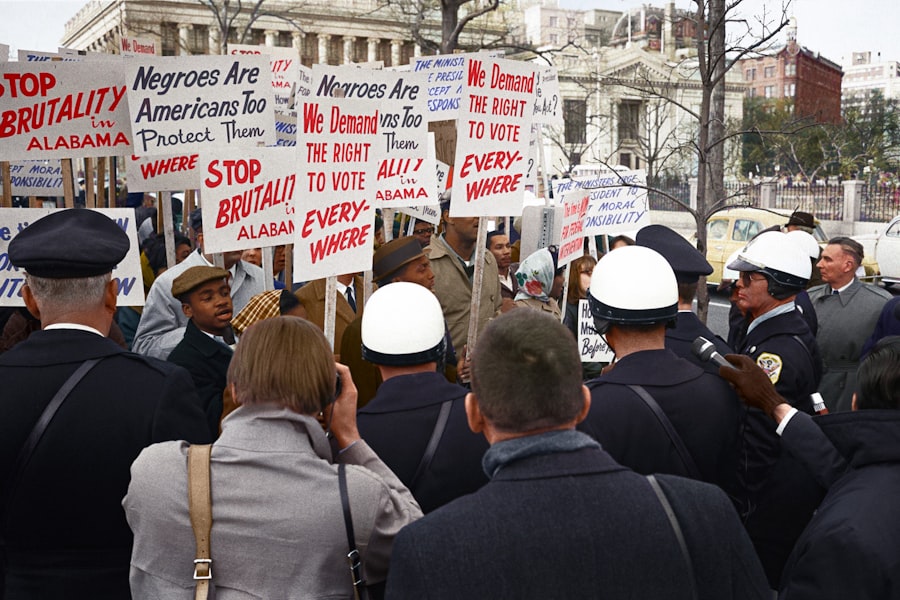
Several factors contribute to the rise in civil rights violations in recent years. Political polarization and divisiveness have created an environment where discriminatory rhetoric and policies are more readily accepted. This has emboldened individuals who hold prejudiced views, leading to an increase in hate crimes and discriminatory practices.
Lack of accountability for perpetrators is another factor that contributes to the rise in civil rights violations. When individuals who commit these violations are not held accountable, it sends a message that such behavior is acceptable. This lack of consequences perpetuates a culture of impunity and allows these violations to continue unchecked.
Systemic racism and discrimination also play a significant role in the rise of civil rights violations. Deep-rooted biases within institutions can result in discriminatory practices that disproportionately affect marginalized communities. These biases can be perpetuated through policies, practices, and cultural norms that reinforce existing power structures.
Erosion of civil rights protections is another contributing factor. In recent years, there have been efforts to roll back civil rights legislation and weaken protections for marginalized communities. This has created an environment where civil rights violations are more likely to occur and go unpunished.
Legal and Political Responses to Civil Rights Violations
There are various legal and political responses to civil rights violations in the United States. Civil rights laws and protections, such as the Civil Rights Act of 1964 and the Voting Rights Act of 1965, provide a framework for addressing these violations and holding perpetrators accountable.
Government agencies, such as the Department of Justice and the Equal Employment Opportunity Commission, play a crucial role in enforcing Civil Rights Laws. These agencies investigate complaints of discrimination, file lawsuits against violators, and work to ensure that individuals’ civil rights are protected.
Holding perpetrators accountable is essential in addressing civil rights violations. This can be done through criminal prosecutions, civil lawsuits, or administrative actions. When individuals who commit these violations face consequences for their actions, it sends a clear message that such behavior will not be tolerated.
The Role of Media in Highlighting Civil Rights Violations
The media plays a vital role in highlighting civil rights violations and raising awareness about these issues. Media coverage brings attention to individual cases of discrimination, police brutality, voter suppression, and workplace harassment, shedding light on the systemic issues that contribute to these violations.
Media coverage can also help shape public opinion and influence policy debates. By providing in-depth analysis and investigative reporting, the media can hold institutions accountable and push for reforms that address civil rights violations.
However, media coverage is not without its criticisms. Some argue that media coverage of civil rights violations can be biased or sensationalized, leading to a distorted understanding of these issues. It is important for media outlets to strive for accuracy, fairness, and balance in their reporting to ensure that the public is well-informed about civil rights violations.
Advocacy and Activism Against Civil Rights Violations
Grassroots activism and advocacy are crucial in combating civil rights violations. Individuals and communities can play an active role in raising awareness, advocating for policy changes, and supporting organizations that work to protect civil rights.
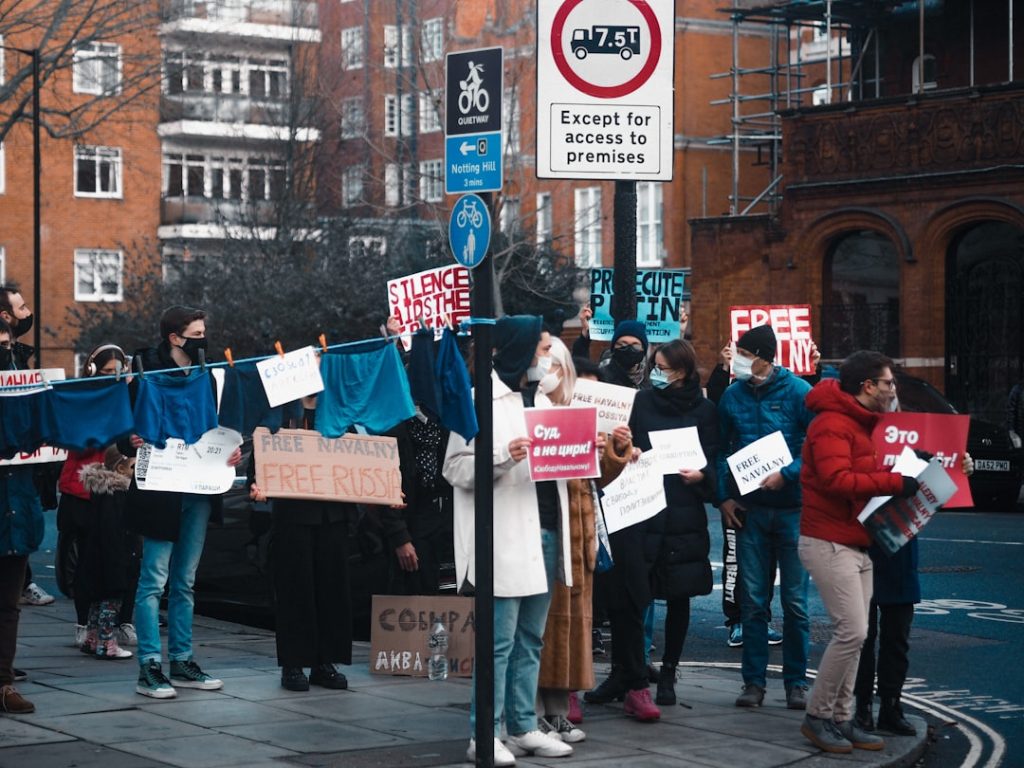
There have been numerous examples of successful advocacy and activism in the fight against civil rights violations. The Black Lives Matter movement, for instance, has brought attention to police brutality and systemic racism, leading to widespread protests and calls for police reform. Similarly, the #MeToo movement has shed light on workplace harassment and sparked a global conversation about gender equality.
Individuals can get involved in advocacy and activism by joining or supporting organizations that work to protect civil rights, attending protests and rallies, contacting elected officials to voice their concerns, and educating themselves and others about civil rights issues.
The Urgent Need for Addressing Unjust Civil Rights Violations
In conclusion, addressing unjust civil rights violations is of utmost importance as it ensures that all individuals are treated fairly and equally under the law. Historical context has shown us the impact of past civil rights violations on the current state of civil rights in the United States. Despite legal protections, civil rights violations continue to occur, disproportionately affecting marginalized communities.
Factors contributing to the rise in civil rights violations include political polarization, lack of accountability for perpetrators, systemic racism and discrimination, and erosion of civil rights protections. Legal and political responses are essential in addressing these violations and holding perpetrators accountable.
The media plays a crucial role in highlighting civil rights violations and raising awareness about these issues. Advocacy and activism are also vital in combating civil rights violations, as individuals and communities can play an active role in raising awareness, advocating for policy changes, and supporting organizations that work to protect civil rights.
In order to address unjust civil rights violations, collective action and solidarity are needed. It is only through the efforts of individuals, communities, organizations, and institutions working together that we can create a society where all individuals are treated with dignity and respect.
If you’re interested in learning more about the violation of civil rights, you may also want to check out this insightful article on animal law from Tipsy Lawyer. It explores the intersection between animal rights and civil liberties, shedding light on the legal protections and challenges faced by animals in our society. Understanding the complexities of this issue can help us broaden our perspective on civil rights violations and advocate for justice in all forms. Read more here.
FAQs
What are civil rights?
Civil rights are the rights that every individual is entitled to, regardless of their race, gender, religion, or any other characteristic. These rights include the right to vote, the right to a fair trial, the right to free speech, and the right to be free from discrimination.
What is a violation of civil rights?
A violation of civil rights occurs when an individual or group is denied their civil rights, either by the government or by another individual or group. This can include discrimination, harassment, or denial of access to public services or facilities.
What are some examples of civil rights violations?
Examples of civil rights violations include police brutality, discrimination in housing or employment, denial of voting rights, and unequal treatment under the law. Other examples include hate crimes, racial profiling, and denial of access to education or healthcare.
What can I do if my civil rights have been violated?
If you believe your civil rights have been violated, you can file a complaint with the appropriate government agency, such as the Equal Employment Opportunity Commission or the Department of Justice. You can also seek legal representation and file a lawsuit against the individual or group responsible for the violation.
What are the consequences of violating someone’s civil rights?
The consequences of violating someone’s civil rights can include fines, imprisonment, and civil lawsuits. In addition, individuals or organizations found guilty of civil rights violations may be required to change their policies or practices to prevent future violations.