














Privacy and independence are essential components of a child’s development and well-being. Children require personal space and time to explore their interests and develop their unique personalities. Privacy fosters a sense of autonomy and control, which is crucial for emotional and psychological growth.
It also promotes the development of responsibility and accountability. Respecting a child’s privacy can strengthen the parent-child relationship by building trust. When children feel their privacy is honored, they are more likely to communicate openly with their parents about their thoughts, feelings, and experiences.
This open communication is fundamental to establishing strong, healthy family relationships. Independence allows children to acquire vital life skills such as decision-making, problem-solving, and self-reliance. It contributes to the development of confidence and self-esteem as children learn to navigate the world independently.
By granting children a degree of independence, parents can help them cultivate the skills and resilience necessary to face future challenges. In summary, privacy and independence play crucial roles in a child’s development. They foster trust, autonomy, and essential life skills that will benefit children throughout their lives and into adulthood.
Key Takeaways
- Privacy and independence are important for a child’s development and sense of self
- Developmental milestones and readiness should be considered before granting more privacy and independence
- Sibling dynamics and relationships can impact a child’s need for privacy and independence
- Cultural and family norms may influence the level of privacy and independence given to a child
- Legal age requirements and regulations should be taken into account when determining a child’s privacy and independence
Developmental Milestones and Readiness
Developing Self-Awareness
During the toddler years, children become more verbal and expressive, and may start to seek out privacy when they need to process their emotions or thoughts. This is a sign that they are developing a sense of self-awareness and the need for personal space.
Navigating Adolescence
As children enter their pre-teen and teenage years, they experience significant physical, emotional, and cognitive changes that require more privacy and independence. They may start to seek out more time alone in their rooms or with friends, as they navigate the complexities of peer relationships and personal identity.
Supporting Independence
It is essential for parents to recognize these developmental milestones and support their children’s growing need for privacy and independence. By doing so, parents can help their children build a strong sense of self and develop the necessary skills to navigate the challenges of adolescence and young adulthood.
Sibling Dynamics and Relationships

Sibling dynamics play a significant role in a child’s need for privacy and independence. Siblings often share living spaces, belongings, and experiences, which can make it challenging for them to find privacy within the family home. However, it is important for parents to recognize each child’s individual need for personal space and time.
Sibling relationships can also impact a child’s sense of independence. Older siblings may feel a greater need for privacy as they navigate the challenges of adolescence, while younger siblings may look up to their older siblings as role models for independence. It is important for parents to foster healthy sibling relationships that respect each child’s need for privacy and independence.
By promoting open communication and mutual respect among siblings, parents can help create an environment where each child feels valued and supported in their quest for independence. This can lead to stronger sibling bonds and a greater sense of harmony within the family. In conclusion, sibling dynamics and relationships play a crucial role in a child’s need for privacy and independence, and it is important for parents to foster healthy relationships among siblings.
Cultural and Family Norms
| Category | Metrics |
|---|---|
| Cultural Norms | 1. Percentage of population following traditional cultural practices |
| 2. Number of cultural events and festivals celebrated annually | |
| 3. Level of acceptance of diversity within the community | |
| Family Norms | 1. Average family size |
| 2. Percentage of households with multigenerational living arrangements | |
| 3. Frequency of family gatherings and reunions |
Cultural and family norms can significantly influence a child’s need for privacy and independence. In some cultures, there may be strong emphasis on collectivism and interdependence, which can impact the way privacy is valued within the family unit. In contrast, other cultures may place a higher value on individualism and personal autonomy, leading to different expectations around privacy and independence.
Family norms also play a role in shaping a child’s experience of privacy and independence. Some families may have strict rules around personal space and time, while others may have more relaxed boundaries. It is important for parents to consider the cultural and family norms that shape their children’s experiences and needs for privacy and independence.
By understanding and respecting cultural and family norms, parents can create an environment that supports their children’s individual needs while also honoring the values of their cultural or familial background. This can help children develop a strong sense of identity and belonging within their cultural and familial context. In conclusion, cultural and family norms play a significant role in shaping a child’s experience of privacy and independence, and it is important for parents to consider these factors when supporting their children’s needs.
Legal Age Requirements and Regulations
Legal age requirements and regulations also play a role in determining a child’s level of privacy and independence. In many countries, there are specific legal ages at which children are granted certain rights and responsibilities, such as driving, voting, or consenting to medical treatment. These legal age requirements can impact a child’s sense of autonomy and independence within the family.
Parents must be aware of these legal age requirements and regulations in order to support their children’s growing need for privacy and independence. By understanding the rights and responsibilities that come with reaching certain ages, parents can help prepare their children for the transition into adulthood. It is important for parents to have open discussions with their children about legal age requirements and regulations, as well as the rights and responsibilities that come with them.
This can help children understand the importance of these regulations while also empowering them to make informed decisions as they grow older. In conclusion, legal age requirements and regulations play a significant role in shaping a child’s level of privacy and independence, and it is important for parents to be aware of these factors in order to support their children’s development.
Financial Considerations and Space Constraints
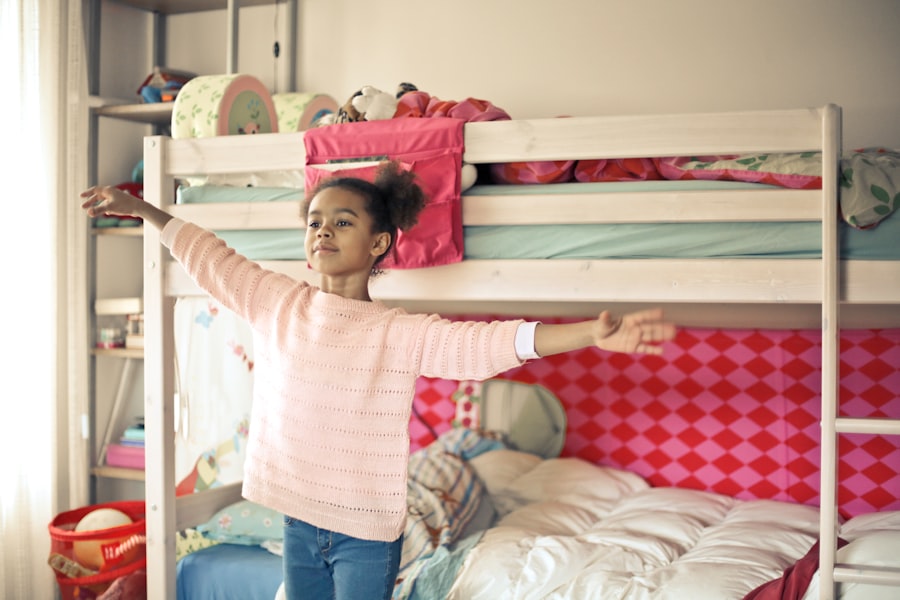
Financial considerations and space constraints can significantly impact a child’s need for privacy and independence within the family home.
Challenges in Providing Personal Space
In households with limited financial resources or space, it can be challenging to provide each child with their own room or personal space. This can greatly impact a child’s ability to have privacy within the home.
Supporting Children’s Needs
Parents must consider these financial considerations and space constraints when supporting their children’s need for privacy and independence. They may need to find creative solutions to provide each child with their own space or time alone, such as setting up designated areas within shared spaces or establishing clear boundaries around personal belongings.
Open Communication and Creative Solutions
It is essential for parents to communicate openly with their children about these financial considerations and space constraints, while also finding ways to support their growing need for privacy and independence. By doing so, parents can help create an environment where each child feels valued and respected within the family home.
In conclusion, financial considerations and space constraints can impact a child’s need for privacy and independence, and it is crucial for parents to find ways to support their children within these constraints.
Parental Considerations and Decision-making Factors
As parents navigate the complexities of supporting their children’s need for privacy and independence, there are several key considerations and decision-making factors to keep in mind. Parents must consider their own values, beliefs, and experiences around privacy and independence, as well as how these may impact their parenting approach. It is important for parents to reflect on their own upbringing and how it has shaped their views on privacy and independence.
This self-reflection can help parents identify any biases or assumptions that may impact their ability to support their children’s needs effectively. Additionally, parents must consider the unique needs of each child when making decisions around privacy and independence. Each child may have different preferences, boundaries, and developmental stages that require individualized support from their parents.
In conclusion, parental considerations and decision-making factors play a crucial role in supporting a child’s need for privacy and independence. By reflecting on their own values and considering the unique needs of each child, parents can create an environment that supports their children’s growth into independent, confident individuals.
If you’re interested in learning more about the legal rights and protections for children, you may want to check out this article on criminal law. Understanding the legal framework around child safety and well-being can help parents make informed decisions about when a child should have their own room.
FAQs
What is the legal age for a child to have their own room?
There is no specific legal age for a child to have their own room. It is generally up to the parents or guardians to decide when a child is ready to have their own room.
Are there any laws that dictate when a child should have their own room?
In most places, there are no specific laws that dictate when a child should have their own room. However, child welfare laws may require that children have a safe and appropriate living environment.
What factors should be considered when deciding if a child should have their own room?
Factors to consider when deciding if a child should have their own room include the child’s age, maturity, privacy needs, and the family’s living situation. It is important to consider the child’s comfort and well-being.
Are there any guidelines or recommendations for when a child should have their own room?
There are no specific guidelines or recommendations for when a child should have their own room. It is ultimately up to the parents or guardians to make this decision based on the individual needs of the child and the family’s circumstances.
What are the benefits of a child having their own room?
Having their own room can provide a child with a sense of independence, privacy, and personal space. It can also allow them to express their individuality and creativity in their own environment.