














Professional attire in the courtroom is crucial for several reasons. It demonstrates respect for the legal system and influences how one is perceived by judges, juries, and other legal professionals. Appropriate dress can potentially impact case outcomes and reflects an individual’s seriousness about the proceedings.
Proper courtroom attire helps establish credibility and trust with judges and juries. It conveys that the individual takes the legal process seriously and is prepared to present themselves professionally. This can positively affect how a case is perceived and build trust with those involved in the proceedings.
Additionally, dressing professionally in court can boost an individual’s confidence and project a sense of competence and authority. This can be advantageous when presenting a case effectively. Overall, professional attire in court is essential for creating a positive impression, establishing trust, and showing respect for the legal process.
Key Takeaways
- Professional attire in court is important for making a good impression and showing respect for the legal process.
- Men should wear a well-fitted suit in a neutral color, with a conservative tie and polished dress shoes for courtroom attire.
- Women should opt for a tailored suit, a knee-length skirt or dress, or a blouse with dress pants, paired with closed-toe shoes for courtroom attire.
- Choose minimal and conservative accessories such as a watch, simple jewelry, and a professional briefcase or portfolio for court.
- Different types of court cases may require different levels of formality in attire, so it’s important to research and dress accordingly.
Guidelines for Men’s Courtroom Attire
The Suit
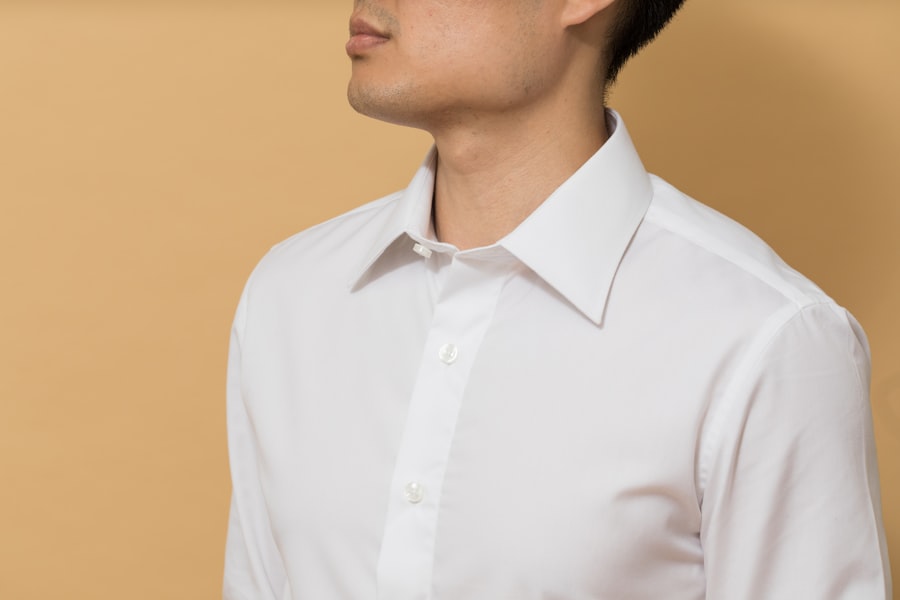
A well-fitted suit in a neutral color such as navy, charcoal, or black is the most appropriate choice for men appearing in court. The suit should be paired with a crisp, collared dress shirt in a light color such as white or light blue.
Adding a Touch of Professionalism
A conservative tie in a solid color or subtle pattern can add a touch of professionalism to the outfit. It is important to ensure that the suit fits well and is properly tailored to avoid any distractions or discomfort during the court proceedings.
Completing the Look
In addition to the suit, men should opt for polished dress shoes in black or brown and pair them with dark-colored dress socks. It is important to keep accessories to a minimum, opting for a simple watch and minimal jewelry. Facial hair should be neatly groomed, and hair should be well-kept and styled conservatively. Overall, men’s courtroom attire should exude professionalism, confidence, and respect for the legal proceedings.
Guidelines for Women’s Courtroom Attire
For women appearing in court, it is important to choose attire that is professional, conservative, and respectful. A tailored suit in a neutral color such as black, navy, or gray is a suitable choice for women’s courtroom attire. The suit should be paired with a collared blouse or conservative top in a light color such as white or pastel.
Skirts should be knee-length or longer, and pantyhose should be worn for a polished look. It is important to ensure that the suit fits well and is tailored appropriately to avoid any distractions during the court proceedings. In addition to the suit, women should opt for closed-toe dress shoes with a modest heel in black or neutral tones.
Accessories should be kept to a minimum, with simple jewelry and a classic watch being appropriate choices. Hair should be neatly styled and kept away from the face, and makeup should be minimal and natural-looking. Overall, women’s courtroom attire should convey professionalism, confidence, and respect for the legal process.
Choosing the Right Accessories for Court
| Accessories | Importance |
|---|---|
| Proper footwear | Provides stability and support |
| Tennis racket | Essential for playing the game |
| Sweatband | Helps keep sweat out of the eyes |
| Tennis bag | Convenient for carrying equipment |
When choosing accessories for court, it is important to keep in mind that less is more. Accessories should be understated and conservative to complement your professional attire without being distracting. For men, a classic watch and minimal jewelry such as a wedding band or simple cufflinks are appropriate choices.
It is important to avoid flashy or oversized accessories that may draw attention away from your presentation in court. For women, simple jewelry such as stud earrings, a delicate necklace, or a classic watch can complement your professional attire without being overpowering. It is important to avoid large statement pieces or excessive jewelry that may detract from your overall appearance.
Additionally, handbags should be conservative and professional, opting for a structured tote or satchel in a neutral color. When choosing accessories for court, it is important to remember that they should enhance your professional appearance without overshadowing it.
Dressing for Different Types of Court Cases
The type of court case you are involved in can also influence your choice of attire. For more formal court proceedings such as trials or appeals, it is important to opt for traditional professional attire such as a well-fitted suit for men or a tailored suit for women. In contrast, for less formal court appearances such as pre-trial hearings or administrative proceedings, business casual attire may be more appropriate.
Men can opt for dress slacks paired with a collared shirt and blazer, while women can choose a blouse paired with dress slacks or a skirt. In addition to considering the formality of the court proceedings, it is also important to take into account the specific requirements of the court you will be appearing in. Some courts may have specific dress codes or guidelines that must be followed, so it is important to research and adhere to these requirements.
Overall, dressing for different types of court cases requires careful consideration of the formality of the proceedings and any specific dress code requirements.
How to Dress for Success on a Budget

Invest in Timeless Pieces
One way to achieve a professional look on a budget is to invest in classic, timeless pieces that can be mixed and matched to create different outfits. A well-fitted suit in a neutral color can be paired with different shirts and ties for a variety of looks.
Shop Smart
Shopping at discount retailers or during sales can help you find quality professional attire at an affordable price. You can also consider borrowing or renting professional attire for court appearances. Rental services offer suits and formal wear at a fraction of the cost of purchasing new items.
Take Care of Your Clothing
Finally, taking care of your clothing by properly maintaining and cleaning it can help prolong its lifespan and save money on replacements. By adopting these cost-effective strategies, dressing for success on a budget is definitely possible.
Tips for Maintaining Professionalism in the Courtroom
In addition to choosing appropriate attire for court appearances, there are several tips for maintaining professionalism in the courtroom. It is important to arrive early for your court appearance to allow time for any unexpected delays and to ensure that you are prepared and composed when entering the courtroom. When addressing the judge or other legal professionals, it is important to speak clearly and respectfully, using formal language and avoiding slang or informal speech.
Furthermore, it is important to maintain proper courtroom etiquette by standing when addressing the judge or jury, refraining from using electronic devices during proceedings, and following any specific rules or guidelines set forth by the court. Additionally, it is important to remain composed and respectful at all times, even if faced with challenging situations or opposing parties. Overall, maintaining professionalism in the courtroom requires adherence to proper etiquette, respectful communication, and composure under pressure.
In conclusion, professional attire in court plays a crucial role in how one is perceived by legal professionals and can impact the outcome of a case. Following guidelines for men’s and women’s courtroom attire, choosing appropriate accessories, dressing for different types of court cases, dressing for success on a budget, and maintaining professionalism in the courtroom are all essential aspects of presenting oneself in a professional and respectful manner during legal proceedings. By carefully considering these factors and adhering to proper etiquette and dress codes, individuals can convey professionalism, credibility, and respect for the legal process when appearing in court.
If you’re interested in learning more about the legal profession, you might want to check out this article on bankruptcy filings being public record here. It’s important to stay informed about the different aspects of law, especially if you’re considering a career as a lawyer. Understanding the nuances of bankruptcy law, as well as other areas such as entertainment law here, can provide valuable insight into the legal field.
FAQs
What is the typical attire for a lawyer in court?
A lawyer typically wears professional and conservative attire to court, such as a suit, dress shirt, tie, and dress shoes.
Are there specific dress codes for lawyers in court?
Many courts have specific dress codes for attorneys, which may require them to wear formal business attire. It is important for lawyers to adhere to these dress codes to show respect for the court and maintain a professional appearance.
Can a lawyer wear casual attire to court?
No, it is not appropriate for a lawyer to wear casual attire to court. Lawyers are expected to dress in a professional and conservative manner to convey respect for the legal process and the court.
Are there any restrictions on accessories or jewelry for lawyers in court?
Lawyers should avoid wearing excessive or flashy accessories and jewelry in court. It is best to keep accessories and jewelry minimal and conservative to maintain a professional appearance.
Do different types of court cases require different attire for lawyers?
While the general rule is to wear professional and conservative attire, the specific dress code may vary depending on the type of court case. For example, lawyers may need to dress more formally for a trial in a higher court compared to a hearing in a lower court.