












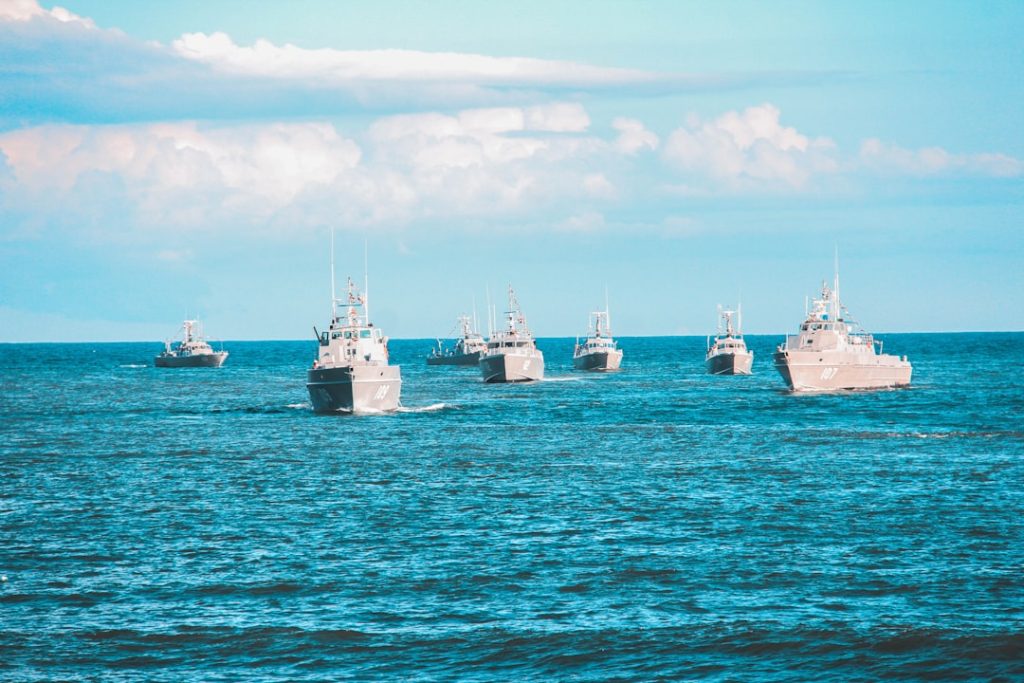
Maritime law, also known as admiralty law, is a specialized area of law that governs activities and disputes that occur on the seas and other navigable waters. It encompasses a wide range of legal issues, including shipping, marine commerce, navigation, salvage, and marine pollution. Maritime law is important because it provides a legal framework for the global economy to operate smoothly and efficiently.
Maritime law plays a crucial role in facilitating international trade and commerce. The majority of global trade is conducted through maritime transportation, with ships carrying goods across oceans and seas. Maritime law ensures that these transactions are conducted in a fair and regulated manner, protecting the rights and interests of all parties involved. It provides rules and regulations for the operation of ships, the handling of cargo, and the resolution of disputes that may arise during maritime activities.
Furthermore, maritime law also addresses issues related to marine pollution and environmental protection. With the increasing concern for the health of our oceans and coastlines, maritime law has become instrumental in regulating activities that may harm marine ecosystems. It sets standards for the prevention of pollution from ships, establishes liability for damages caused by pollution incidents, and promotes sustainable practices in the maritime industry.
Key Takeaways
- Maritime law is a specialized area of law that governs activities and disputes on the sea.
- Maritime law has a long history dating back to ancient times and has evolved to meet the needs of modern-day shipping.
- Key players in maritime law include ship owners, operators, and crew, each with their own unique roles and responsibilities.
- Liability and responsibility in maritime law can be complex, with multiple parties potentially liable for accidents and injuries at sea.
- International laws and conventions play a crucial role in regulating maritime activities and ensuring the protection of the oceans and coastlines.
The History and Development of Maritime Law: From Ancient Times to Modern Day
The origins of maritime law can be traced back to ancient civilizations such as the Phoenicians, Greeks, and Romans. These early seafaring societies recognized the need for rules and regulations to govern maritime activities and resolve disputes that arose at sea. Over time, maritime law evolved and developed into a comprehensive legal system that is still in use today.
During the Middle Ages, maritime law began to take shape in Europe with the emergence of maritime codes known as “consuetudinary laws.” These laws were based on customs and practices that had been established by seafarers over centuries. They covered various aspects of maritime activities, including the rights and responsibilities of ship owners, operators, and crew members.
In the 19th century, maritime law underwent significant changes with the development of international trade and the expansion of colonial empires. The need for a uniform set of rules and regulations that could be applied across different jurisdictions became apparent. This led to the adoption of international conventions and treaties, such as the Hague Rules and the York-Antwerp Rules, which standardized maritime practices and resolved conflicts between different legal systems.
Today, maritime law continues to evolve in response to new challenges and developments in the maritime industry. It incorporates principles from both civil law and common law systems, as well as international treaties and conventions. The International Maritime Organization (IMO), a specialized agency of the United Nations, plays a central role in the development and implementation of international maritime law.
Key Players in Maritime Law: Understanding the Roles of Ship Owners, Operators, and Crew
In maritime law, there are several key players who have distinct roles and responsibilities. These include ship owners, operators, and crew members. Understanding their roles is essential for ensuring compliance with maritime regulations and resolving disputes that may arise during maritime activities.
Ship owners are individuals or companies who own or have legal control over a vessel. They are responsible for ensuring that the ship is seaworthy, properly maintained, and operated in accordance with applicable laws and regulations. Ship owners may also be liable for any damages or injuries caused by their vessels.
Operators, on the other hand, are responsible for the day-to-day operation of a vessel. They may be separate entities from ship owners or may be the same entity in some cases. Operators are responsible for hiring and managing the crew, maintaining the vessel’s equipment and systems, and ensuring compliance with safety regulations.
Crew members are individuals who work on board a vessel. They have specific duties and responsibilities depending on their roles, such as navigating the ship, operating machinery, or providing medical care. Crew members are required to have the necessary qualifications and certifications to perform their duties safely and effectively.
Liability and Responsibility in Maritime Law: Who is Liable for Accidents and Injuries at Sea?
| Topic | Description |
|---|---|
| Maritime Law | The body of law that governs ships and shipping activities. |
| Liability | The legal responsibility for something, especially for paying compensation for damage or loss. |
| Responsibility | The state or fact of having a duty to deal with something or of having control over someone. |
| Accidents at Sea | Unintentional events that cause damage or injury while at sea. |
| Injuries at Sea | Physical harm caused by accidents or incidents while at sea. |
| Liable Parties | Ship owners, operators, charterers, and crew members may be held liable for accidents and injuries at sea. |
| International Conventions | International agreements that establish rules and regulations for maritime activities and liability. |
| Limitation of Liability | A legal concept that limits the amount of damages that a liable party must pay. |
Accidents and injuries can occur at sea due to various factors, such as human error, equipment failure, or adverse weather conditions. In maritime law, liability for these incidents is determined based on the principles of negligence and strict liability. The parties who may be held liable include ship owners, operators, and crew members.
Ship owners may be held liable for accidents and injuries if they fail to maintain their vessels in a seaworthy condition or if they fail to provide a safe working environment for the crew. They may also be held liable for the actions of their employees or agents if those actions result in harm to others.
Operators may be held liable for accidents and injuries if they fail to properly train and supervise their crew or if they fail to maintain the vessel’s equipment and systems. They may also be held liable for any negligence on their part that contributes to an accident or injury.
Crew members may be held liable for accidents and injuries if they fail to perform their duties with reasonable care and skill. They may also be held liable for any intentional acts or misconduct that causes harm to others.
In cases of accidents and injuries at sea, compensation may be available to the victims through various means, such as insurance claims, lawsuits, or settlements. The amount of compensation will depend on the nature and extent of the damages suffered by the victims.
The International Laws and Conventions that Govern Maritime Activities
Maritime activities are governed by a complex web of international laws and conventions that have been developed over many years. These laws and conventions provide a framework for the regulation of maritime activities, the protection of human rights at sea, and the prevention of marine pollution.
The United Nations Convention on the Law of the Sea (UNCLOS) is the primary international treaty that governs maritime activities. It establishes the rights and responsibilities of states in their use of the world’s oceans and sets out rules for the exploitation and conservation of marine resources. UNCLOS also provides a legal framework for the settlement of disputes between states.
In addition to UNCLOS, there are several other international conventions and treaties that address specific aspects of maritime law. For example, the International Convention for the Safety of Life at Sea (SOLAS) sets out minimum safety standards for ships, while the International Convention for the Prevention of Pollution from Ships (MARPOL) regulates the discharge of pollutants into the marine environment.
Compliance with international maritime law is essential for all parties involved in maritime activities. States are responsible for implementing and enforcing these laws within their jurisdictions, while ship owners, operators, and crew members are responsible for ensuring that their activities comply with applicable regulations.
Maritime Insurance: Protecting Your Business and Assets from Legal Liability
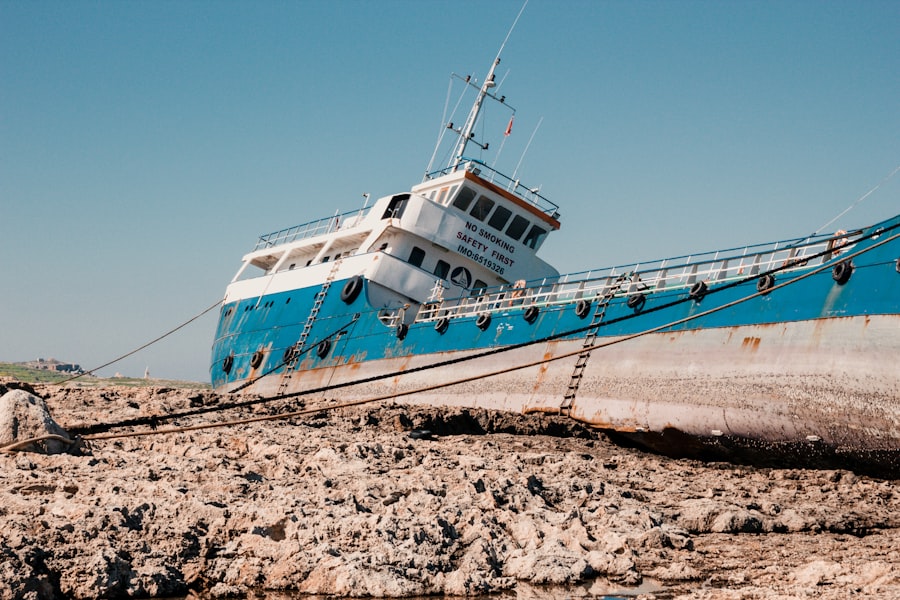
Maritime insurance plays a crucial role in protecting businesses and individuals from legal liability in the maritime industry. It provides financial coverage for a wide range of risks, including damage to vessels, cargo loss or damage, pollution incidents, and personal injuries.
There are several types of maritime insurance policies available, depending on the specific needs and risks of the insured party. Hull insurance covers physical damage to a vessel, including collisions, grounding, and fire. Cargo insurance covers loss or damage to goods during transportation by sea. Protection and indemnity (P&I) insurance covers third-party liabilities, such as personal injury claims or pollution incidents.
Maritime insurance is important because it provides financial protection against unforeseen events that can result in significant financial losses. It allows businesses and individuals to transfer the risk of potential liabilities to an insurance company, reducing their exposure to financial risks.
Choosing the right maritime insurance policy requires careful consideration of the specific risks and needs of the insured party. It is important to work with an experienced insurance broker or agent who can provide expert advice and guidance in selecting the appropriate coverage.
Environmental Regulations and Sustainability in Maritime Law: Protecting the Oceans and Coastlines
Environmental regulations play a crucial role in maritime law, as they are designed to protect the oceans and coastlines from pollution and other harmful activities. With the increasing concern for the health of our marine ecosystems, sustainability has become a key focus in the maritime industry.
Maritime law sets out standards and regulations for the prevention of pollution from ships. These regulations cover various aspects of ship operations, such as the discharge of pollutants into the sea, the handling and disposal of waste, and the use of environmentally friendly technologies.
Compliance with environmental regulations is essential for all parties involved in maritime activities. Ship owners and operators are required to implement measures to prevent pollution, such as installing pollution control equipment, training their crew on pollution prevention practices, and maintaining records of their environmental performance.
Sustainability is also an important consideration in maritime law. It promotes the use of sustainable practices and technologies that minimize the impact of maritime activities on the environment. This includes the use of alternative fuels, energy-efficient technologies, and waste reduction measures.
By complying with environmental regulations and adopting sustainable practices, businesses and individuals can contribute to the protection and preservation of our oceans and coastlines for future generations.
Maritime Disputes and Conflict Resolution: Resolving Legal Issues at Sea
Maritime disputes can arise for various reasons, such as contractual disputes, collisions, salvage claims, or pollution incidents. Resolving these disputes requires specialized knowledge and expertise in maritime law and procedures.
There are several methods of conflict resolution available in maritime law. These include negotiation, mediation, arbitration, and litigation. The choice of method will depend on the nature and complexity of the dispute, as well as the preferences of the parties involved.
Negotiation is a voluntary and informal process in which the parties attempt to reach a mutually acceptable solution through direct communication. Mediation is a facilitated negotiation process in which a neutral third party helps the parties to explore options and find a resolution. Arbitration is a more formal process in which an impartial arbitrator or panel of arbitrators makes a binding decision based on the evidence presented by the parties. Litigation involves taking the dispute to court, where a judge or jury will make a final decision based on the law and the facts of the case.
Legal representation is important in maritime disputes, as it ensures that the rights and interests of the parties are protected. Maritime lawyers have specialized knowledge and experience in handling maritime cases and can provide expert advice and guidance throughout the dispute resolution process.
The maritime industry faces several challenges that have significant implications for maritime law. These challenges include technological advancements, changing regulatory frameworks, geopolitical tensions, and environmental concerns.
Technological advancements, such as automation, digitalization, and artificial intelligence, are transforming the maritime industry. While these advancements offer opportunities for increased efficiency and safety, they also raise legal and regulatory challenges. Maritime law needs to adapt to these changes to ensure that they are properly regulated and that the rights and interests of all parties involved are protected.
Changing regulatory frameworks also pose challenges for the maritime industry. As new laws and regulations are introduced, businesses and individuals need to stay up-to-date with these changes to ensure compliance. Failure to comply with applicable regulations can result in legal liabilities, financial penalties, or reputational damage.
Geopolitical tensions can also impact the maritime industry and maritime law. Disputes over territorial waters, exclusive economic zones, or freedom of navigation can lead to conflicts that require legal resolution. Maritime law plays a crucial role in addressing these conflicts and ensuring that international laws and conventions are upheld.
Environmental concerns are another major challenge for the maritime industry. With the increasing focus on sustainability and the protection of marine ecosystems, businesses and individuals need to adopt environmentally friendly practices and technologies. Maritime law provides the legal framework for promoting sustainable practices and regulating activities that may harm the environment.
Despite these challenges, there are also opportunities for growth and innovation in maritime law. The increasing demand for renewable energy, such as offshore wind farms, presents new opportunities for legal services in the maritime industry. The development of autonomous ships and unmanned systems also raises legal and regulatory issues that require specialized expertise.
The Future of Maritime Law: Emerging Trends and Technologies in the Maritime Industry
The future of maritime law is shaped by emerging trends and technologies in the maritime industry. These trends and technologies have the potential to revolutionize the way maritime activities are conducted and regulated.
One of the emerging trends in maritime law is the increased focus on cybersecurity. As ships become more connected and reliant on digital systems, they become vulnerable to cyber threats. Maritime law needs to address these threats by establishing regulations and standards for cybersecurity in the maritime industry.
Another emerging trend is the use of blockchain technology in maritime transactions. Blockchain has the potential to streamline processes, reduce costs, and enhance transparency in shipping and logistics. Maritime law needs to adapt to these technological advancements to ensure that they are properly regulated and that legal rights and obligations are protected.
The impact of climate change is also a significant factor that will shape the future of maritime law. Rising sea levels, extreme weather events, and changing ocean currents can have profound implications for maritime activities. Maritime law needs to address these challenges by developing regulations and standards that promote resilience and adaptation in the maritime industry.
In conclusion, Maritime Law is a complex and evolving legal landscape that is critical to the global economy. Understanding the history, key players, liability and responsibility, international laws and conventions, insurance, environmental regulations, conflict resolution, challenges and opportunities, and emerging trends and technologies in Maritime Law is essential for anyone involved in the maritime industry. By staying up-to-date with changes in Maritime Law, businesses and individuals can protect their assets, navigate legal disputes, and contribute to a sustainable future for the oceans and coastlines.
If you’re interested in learning more about maritime law, you might find this article on admiralty law from Tipsy Lawyer quite informative. Admiralty law, also known as maritime law, deals with legal matters that arise in relation to navigable waters and maritime activities. This article delves into the intricacies of admiralty law, discussing its history, key principles, and its application in various scenarios. To gain a deeper understanding of this fascinating field, check out the article on admiralty law at Tipsy Lawyer.
FAQs
What is maritime law?
Maritime law, also known as admiralty law, is a body of law that governs maritime activities and commerce, including shipping, navigation, and marine insurance.
What are the sources of maritime law?
The sources of maritime law include international conventions, national laws, court decisions, and industry practices.
What are the key areas of maritime law?
The key areas of maritime law include maritime commerce, marine insurance, maritime accidents and injuries, salvage and towage, marine pollution, and maritime liens and mortgages.
Who is subject to maritime law?
Maritime law applies to all individuals and entities involved in maritime activities, including ship owners, operators, crew members, cargo owners, and insurers.
What are the rights and responsibilities of ship owners under maritime law?
Ship owners have a duty to ensure the safety of their vessels and crew, comply with international and national regulations, and provide adequate insurance coverage. They also have the right to limit their liability in the event of a maritime accident or incident.
What are the remedies available under maritime law?
The remedies available under maritime law include compensation for damages, salvage awards, and the right to arrest and detain vessels for unpaid debts or other legal claims.
What is the role of maritime lawyers?
Maritime lawyers provide legal advice and representation to individuals and entities involved in maritime activities, including ship owners, operators, crew members, and insurers. They also assist with the negotiation and drafting of contracts, and represent clients in maritime disputes and litigation.